 Skip to content

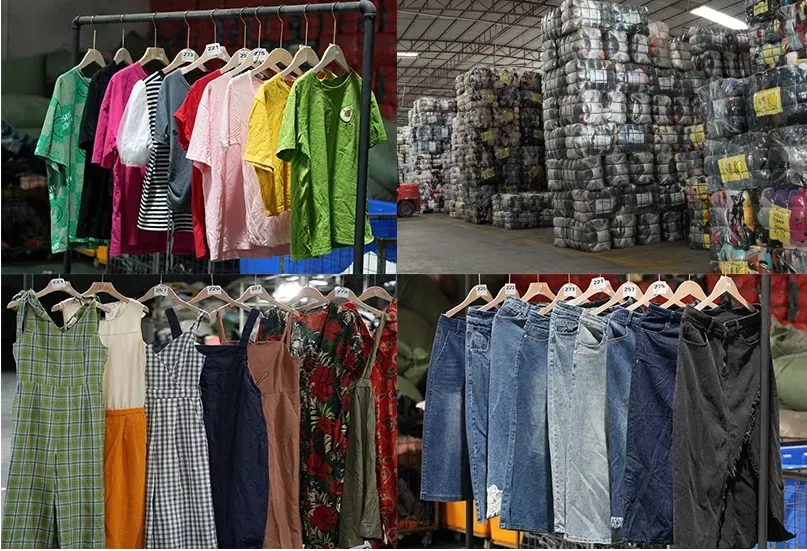
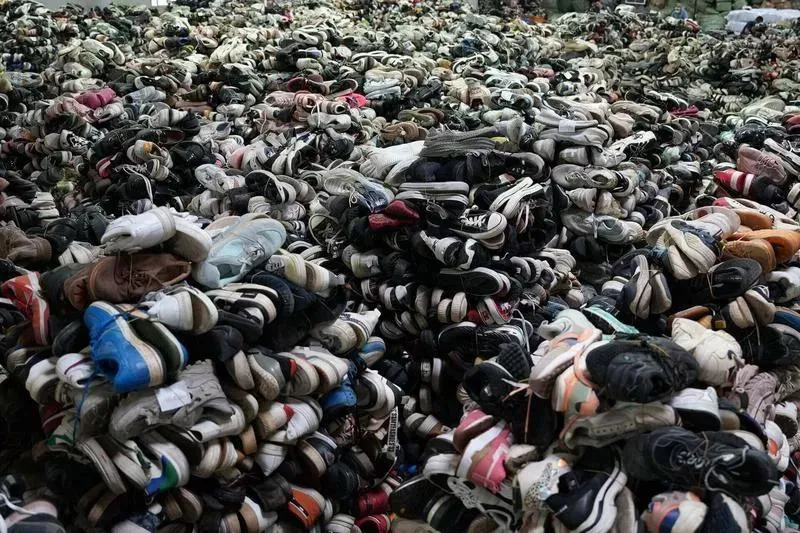


Whatnot sellers source inventory from owned stock, local hand-pick channels, clearance lots, and wholesale bales.
The key is matching the source’s condition and documentation to your intake capacity, not just the lowest price.
Understanding Inventory Routes for Whatnot Sellers
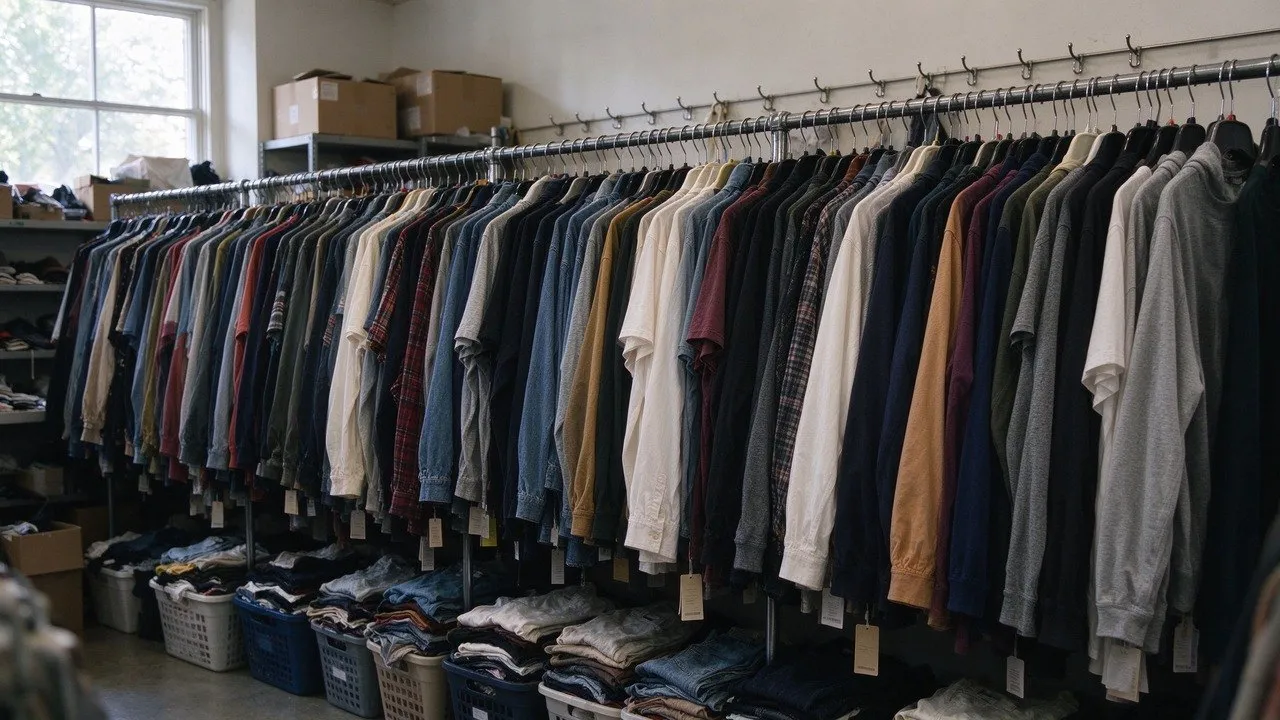
Sellers combine multiple sources to balance control and volume. Owned stock offers high piece-level control but limited replenishment. Local buybacks deepen categories but require strict ownership records. Wholesale bundles add volume but transfer more inspection work to you.
The buying boundary matters. Inventory purchased through Whatnot Wholesale is an on-platform acquisition. Goods bought from external suppliers are off-platform, even if you sell them on Whatnot later. Both routes require accurate inspection and representation of the goods.
On-Platform vs. Off-Platform Purchases
Whatnot’s Wholesale category requires specific approval and operates under regional policies. Pallets typically contain 100+ items, while bundles contain 10+. These are platform format descriptions, not universal minimum order quantities for all suppliers. A manifest narrows uncertainty but does not prove authenticity or final condition.
Off-platform sources include specialist bundles and sorted used-clothing bales. The more control you surrender at purchase, the more critical your acceptance criteria and intake capacity become. For broader supplier searches, see our bulk order solutions.
Turning Supplier Grades into Listing-Ready Inventory
Supplier grades describe lot-level grouping, not individual item condition. Whatnot separates New with Tags, New with Defects, and Pre-owned items. You must inspect each garment, record size and flaws, and disclose material defects in the listing.
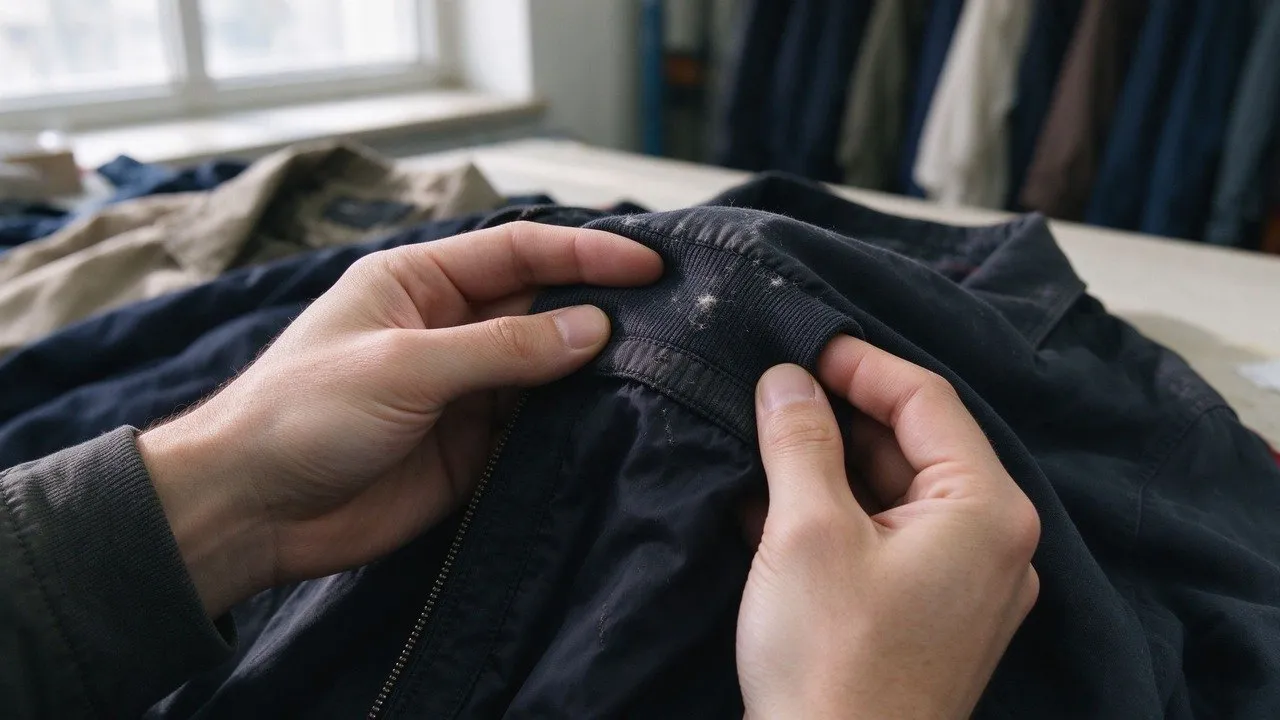
If a jacket arrives in a “Grade A” lot but has pilling, the grade label does not erase that observation. You must assign the correct platform condition and disclose the flaw. If a brand claim cannot be supported, pause the item.
RossBoss provides mixed and category-specific bales within an order-specific Grade A/B/C framework. Buyers should request current category definitions, exclusions, and packing basis, then make item-level decisions after receiving. For the distinction between levels, compare supplier-defined Grade A and Grade B.
Choosing Listing Workflows

Select reusable or show-only listings before intake. Reusable listings require durable records with photos and descriptions that persist after the show. Bulk import templates require strict field validation. Treat supplier spreadsheets as source material, not final truth.
Calculating Accepted-Unit Cost and Contribution
Compare sources in two layers. First, calculate the cost to acquire and prepare each accepted, listing-ready piece. Second, reconcile actual revenue, fees, and refunds for the source cohort. This determines if the cohort justifies a repeat purchase.
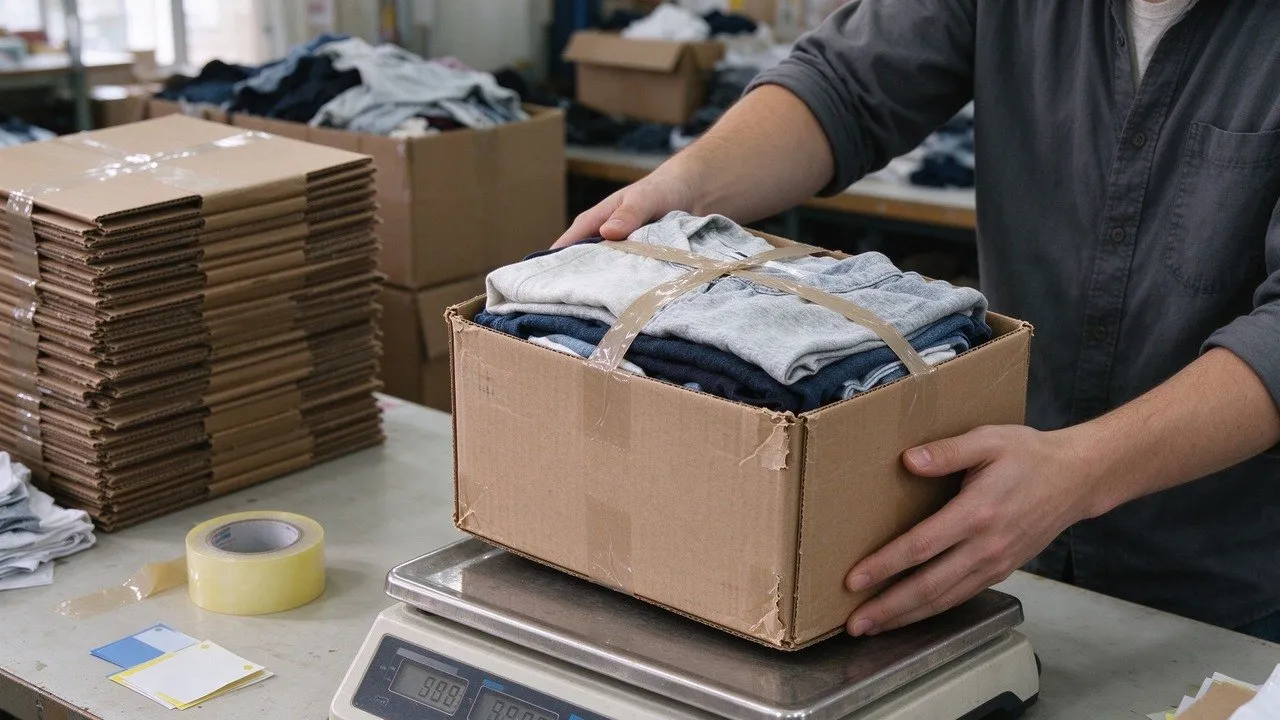
A supplier’s headline piece count is less important than the accepted-unit cost. For example, a lot with a higher total cost but a higher acceptance yield can produce a lower cost per sellable item. Use actual order charges, not fixed fee assumptions, to measure contribution.
A manifest discloses lot contents but does not prove authenticity or saleability. Always verify items physically before listing.
Practical takeaways
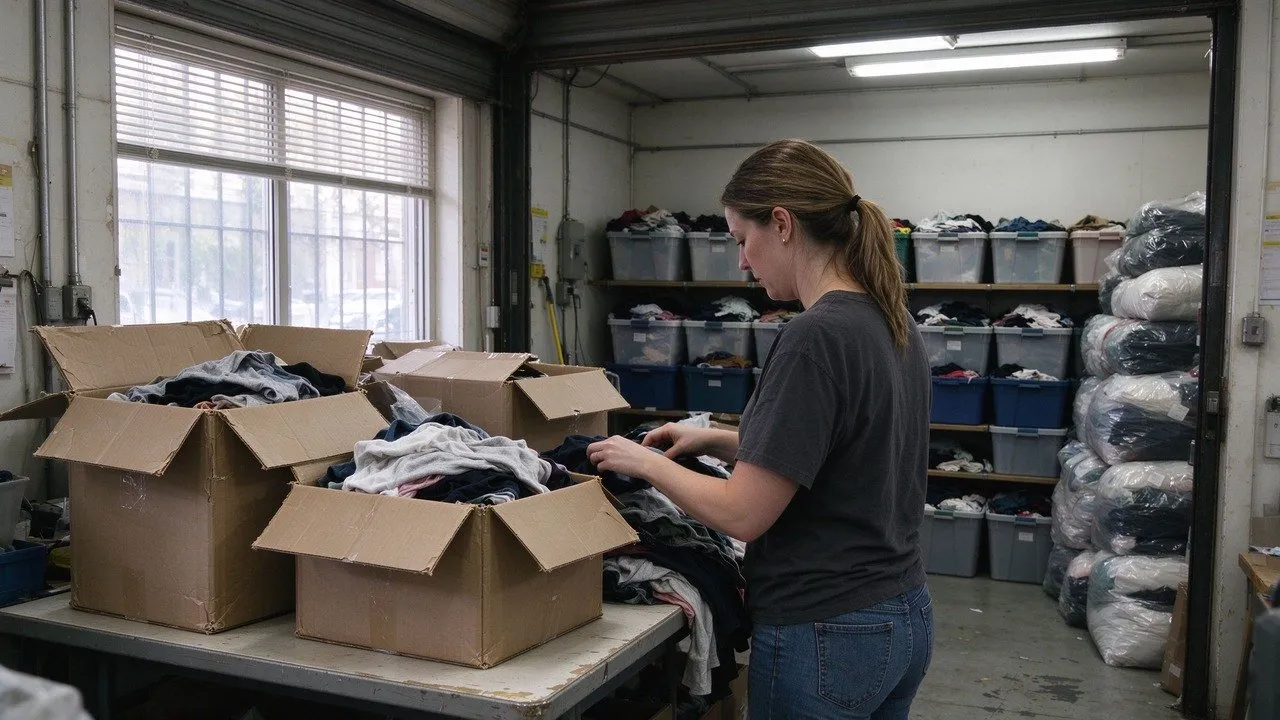
- Match Capacity to Order Size. Ensure your receiving-to-scan bottleneck can handle the volume without creating backlogs.
- Use Stable Source Codes. Assign a neutral SKU to every lot to track performance across shows and reports.
- Verify Packing Details. Accurate packed weight prevents shipping fee adjustments and carrier refusals.
Used Clothing Bales & Bulk Sourcing
Explore our order-specific grade definitions and packing requirements for wholesale bales.
Common questions