Home / Solutions / Bulk Orders

Bulk Orders for Used Clothes, Shoes & Bags

Scale to consistent, product-specific lots with confirmed specifications, packing and quality control. Bulk sits between a trial order and a full container — defined by your decision scenario, not by a fixed number.

📦 Product-Specific Lots ✅ Consistent Quality & Packing 📈 Trial → Bulk → Container
Who Bulk Is For

Bulk is a decision scenario, not a buyer label

Bulk is not defined by the buyer's identity or a fixed quantity. It is defined by the purchase scenario — repeat supply at scale without committing to a full container.

✅ Bulk may fit if you

  • Have already verified product and process through a trial or previous order
  • Need consistent repeat supply for a resale channel
  • Have a confirmed product mix, grade direction and packing requirement
  • Want to consolidate multiple product lines without a full container
  • Are preparing for container-scale orders and want a stepping stone

→ Consider Trial or Container if you

  • Are buying from Ross for the first time and have not yet verified product fit
  • Are not yet sure about product mix, grade or packing direction
  • Already have container-scale demand and logistics in place
  • Are optimizing freight cost per unit — container may be more efficient
  • Need to test a new market hypothesis on a small scale first
Choose Products

Build a bulk order across three core categories

Bulk orders support single-category or mixed-category configurations. Product mix is confirmed before packing and preparation are planned.

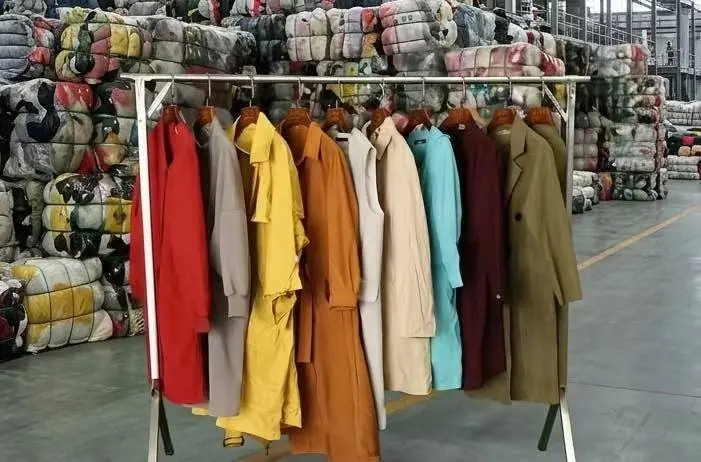
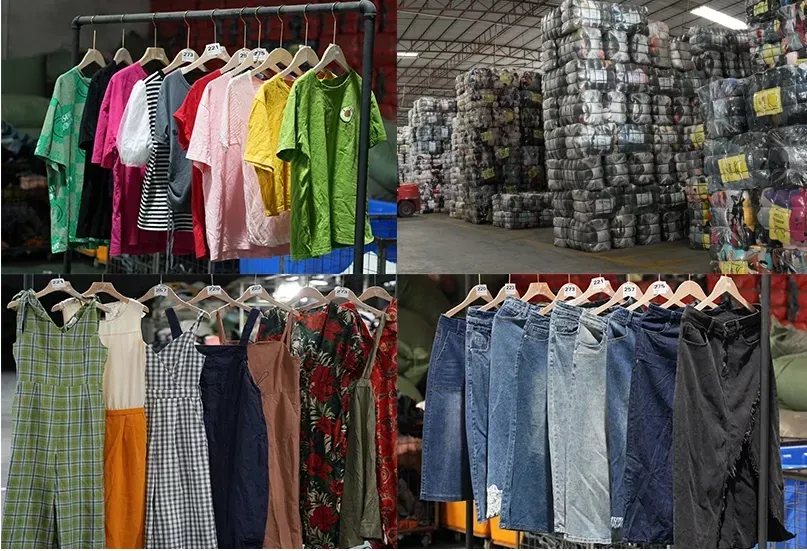
Core Sorted used clothing on racks in front of compressed export bales

Used Clothes

Summer, winter, women's, men's, children's and branded ranges — configured by season and market.

Explore Used Clothes →

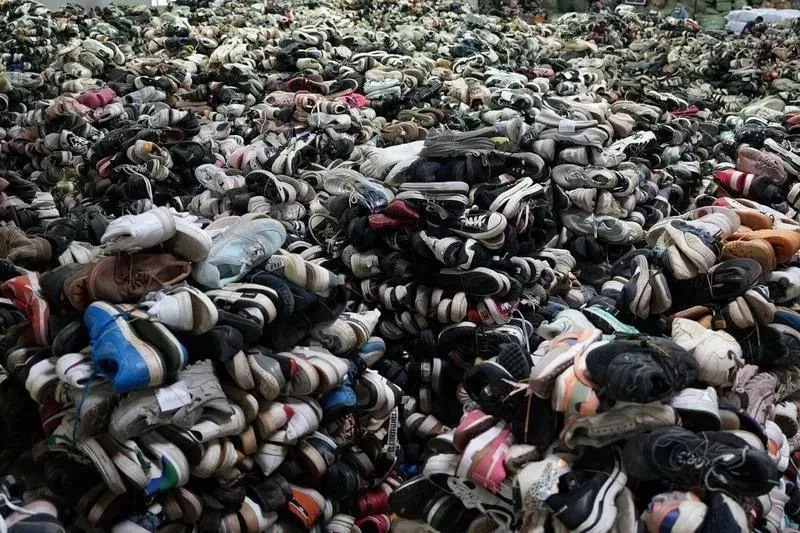
Core Used branded and mixed shoes arranged in rows for wholesale export

Used Shoes

Used brand, mixed shoes, sandals and slippers — product-specific packing by shoe type.

Explore Used Shoes →
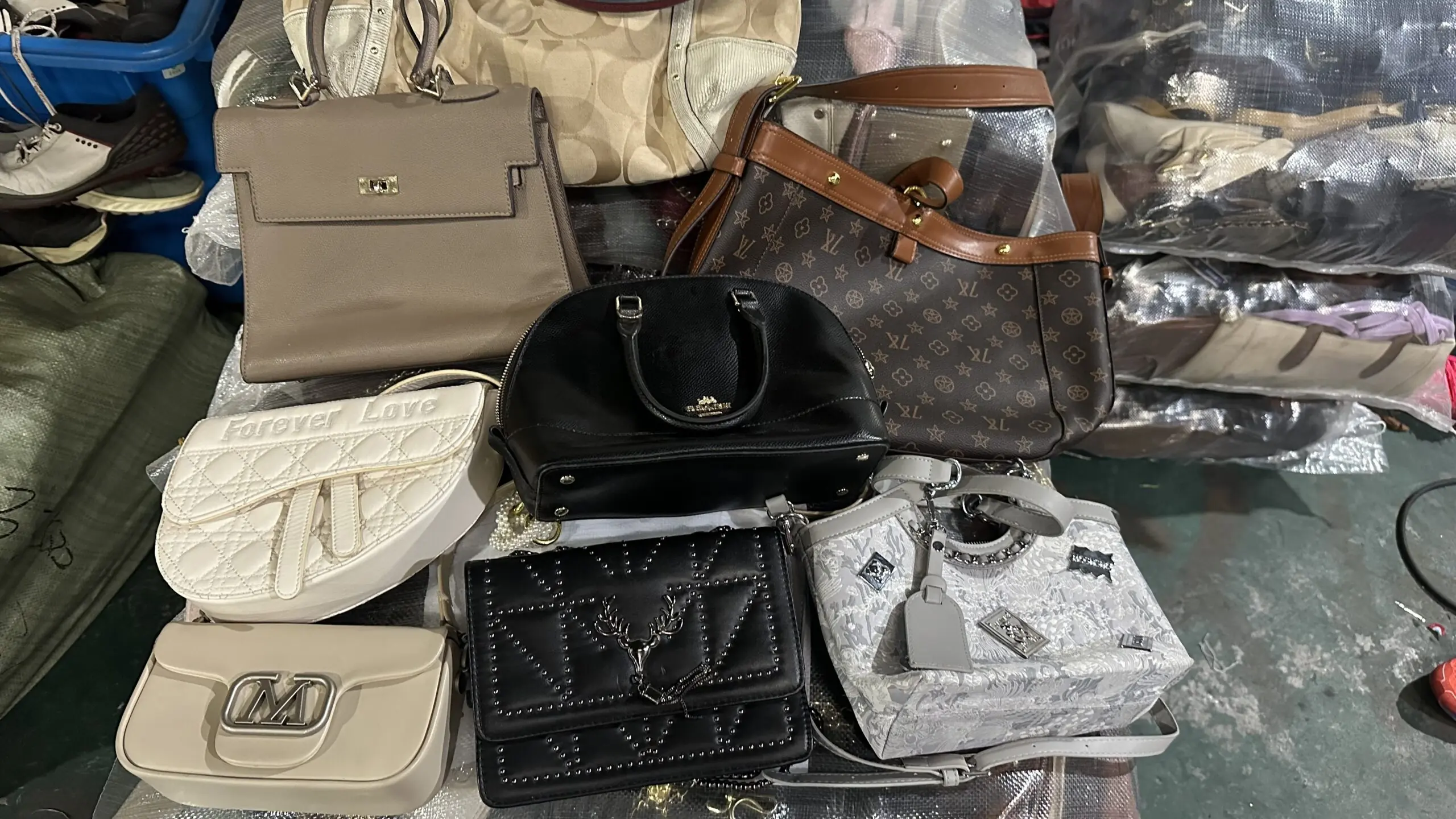
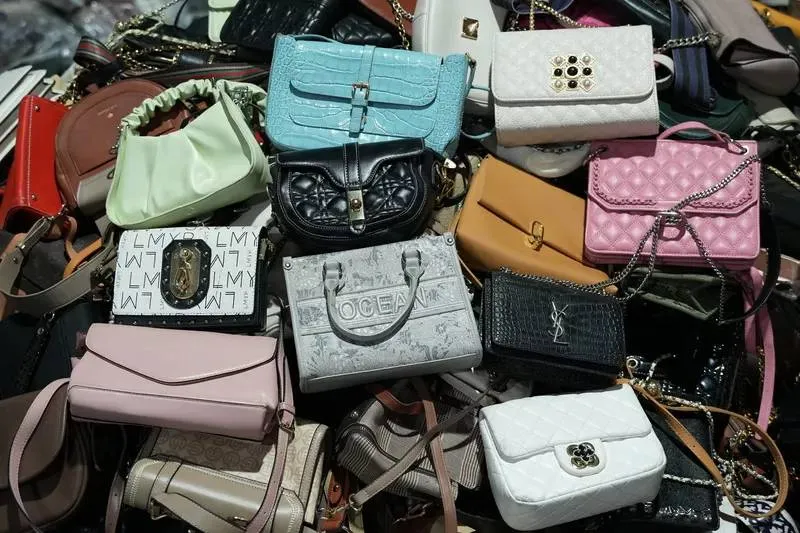
Core Mixed used handbags and bags sorted for wholesale export

Used Bags

Mixed, ladies', school, laptop, cloth and shoulder bags — by weight or by piece.

Explore Used Bags →
Build Bulk Order

Five elements that define a bulk configuration

A bulk order is configured, not guessed. These five elements are confirmed in order — and packing is confirmed before preparation begins.

Product
+
Specification
+
Packing
+
Quantity
+
Destination
1

Product

Single category or mixed across clothes, shoes and bags.

2

Specification

Grade, condition and product-specific requirements per category.

3

Packing

Bale weight, packing format and securing — product-specific.

4

Quantity

Bulk volume confirmed in units that match your packing format.

5

Destination

Port and route shape the packing and shipping plan.

Note: We do not publish a fixed Trial/Bulk threshold or fixed MOQ as universal rules. The boundary between trial, bulk and container depends on product, packing and your decision scenario — not on a fixed number.
Quality Consistency

What makes bulk different from a one-off order

Bulk orders are about repeat supply at scale. Consistency across lots matters more than any single shipment.

Grade Consistency

Grade criteria are applied the same way across bulk lots so repeat orders match.

  • Grade confirmed per product line, not per country
  • Same criteria applied across lots within the same grade
  • What may vary is stated up front and stays consistent
📦

Packing Consistency

Packing format and weight stay consistent across bulk lots for predictable handling.

  • Product-specific bale weight confirmed on the specification
  • Compression and securing to a consistent standard
  • Labels and records aligned across lots
🔍

Process Consistency

Sorting, inspection and pre-loading checks follow the same steps across bulk orders.

  • Same sorting criteria per product category
  • Same QC checkpoints before packing
  • Same pre-loading verification process
Packing

Packing is product-specific — not a bulk rule

Packing format and weight are determined by the product, not by the order volume. Bulk orders follow the same product-specific packing as any other order.

📦

Packing in Bulk

Packing is confirmed on the order specification before bulk preparation begins.

  • Bale weight and format confirmed per product
  • Compression and securing method agreed
  • Labeling and documentation requirements confirmed
  • Packing data recorded before preparation
🔍

Verified Before Loading

Packing is verified against the specification before staging and loading.

  • Packing checked against the confirmed specification
  • Quantity and weight verified per product line
  • Pre-loading verification before container closes
  • Loading records kept for reference
Market Configuration

Configure your bulk order for your destination

Product mix, grade and packing can be aligned to your market. Start with your destination region.

🌍

Africa

Summer-leaning clothes mixes with footwear for warm-climate resale channels.

Africa Solutions →
🌏

Southeast Asia

Lightweight, price-driven basics and fashion mixes for growing resale channels.

SEA Solutions →
🕌

Middle East

Higher-grade, quality-focused selections for value-led resale segments.

ME Solutions →
🌎

South America

Balanced seasonal mixes for expanding resale channels.

SA Solutions →
Bulk vs Container

How to decide between bulk and container

Bulk and container are different decision scenarios. The choice depends on your resale channel, logistics readiness and volume goals — not on a fixed quantity threshold.

Decision Factor Bulk Order Container Order
Primary purpose Consistent repeat supply without a full container commitment Optimize freight cost per unit at container scale
Typical scenario Verified product, scaling supply, consolidating lines Confirmed resale channel, logistics in place
Logistics readiness Flexible — can consolidate or ship partial Requires port, customs agent and warehouse plan
Packing impact Product-specific packing confirmed per lot Packing planned before loading quantity and container type
Next step Scale up to container when demand and logistics allow Repeat container orders or expand product mix
Note: We do not publish a fixed number that separates bulk from container. The decision depends on your product, packing, destination and commercial goals. We help you confirm the right route for your scenario.
Order Preparation

What happens after bulk order confirmation

Bulk orders follow the same preparation chain as any order — sorting, packing, QC and loading — but with consistency across lots as an explicit goal.

01

Sorting

Product sorted by category, condition and grade per the confirmed specification.

02

Packing

Packing per product-specific standard — consistent across bulk lots.

03

QC Check

Quality check against the confirmed grade criteria before packing verification.

04

Verification & Loading

Pre-loading verification, staging and loading per the confirmed plan.

Bulk order evidence

We publish case evidence only when the transaction chain and permissions are verified. Where proof is not yet available, we do not invent it.
  • Bulk orders are documented with specification and PI
  • Verified repeat-purchase and scaling relationships shown in Business Cases
  • We do not publish unverified bulk order outcomes or profit claims
  • Ask us directly about current bulk order experience for your market
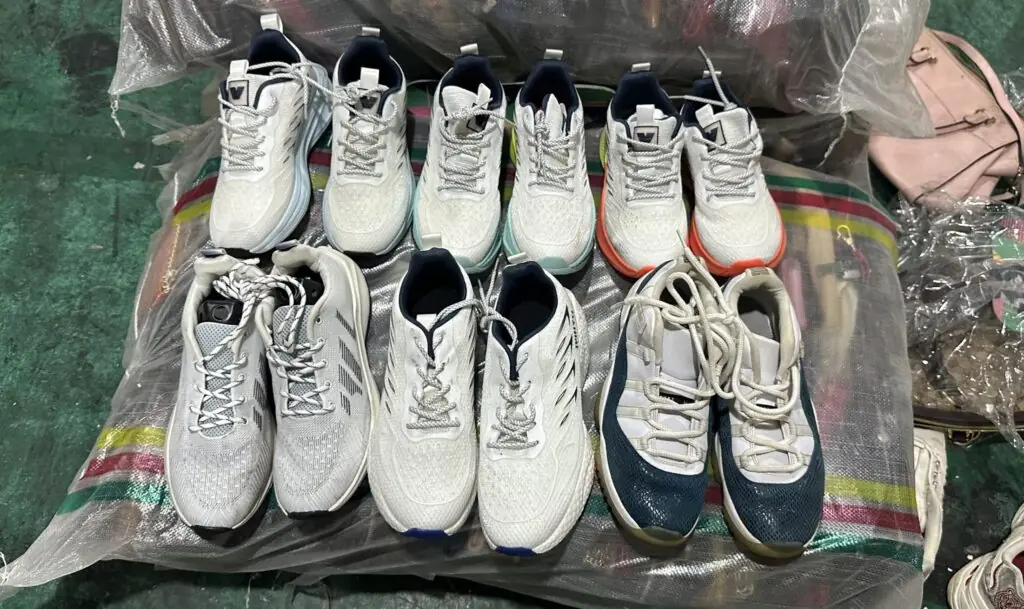
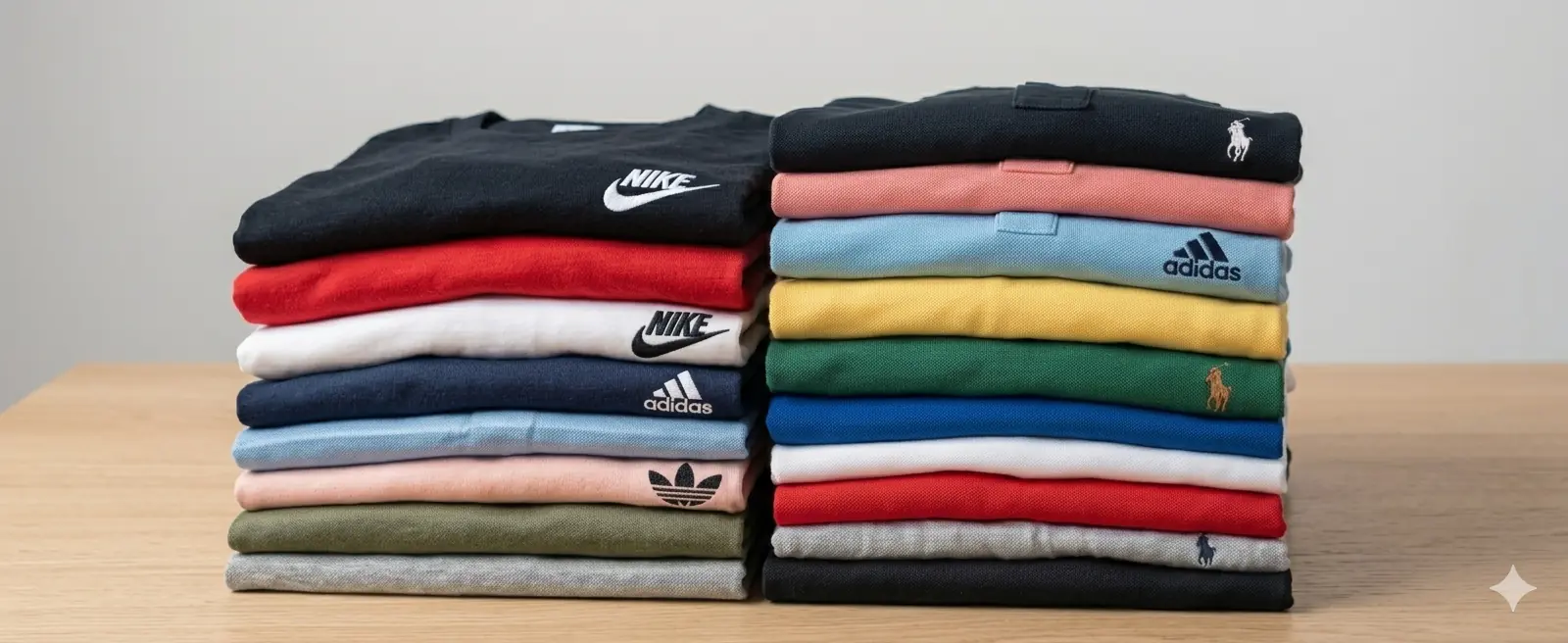
Used goods packed and staged for a bulk order shipment preparation
Bulk Order FAQ

Questions about bulk orders

What quantity counts as a bulk order?
We do not define bulk by a fixed quantity. Bulk is a decision scenario — it means consistent repeat supply at scale without committing to a full container. The boundary between trial, bulk and container depends on your product, packing, destination and commercial goals. Tell us your scenario and we confirm the right route.
How is bulk different from a container order?
Bulk and container are different decision scenarios, not different size bands. Bulk is about consistent repeat supply without a full container commitment. Container is about optimizing freight cost per unit at container scale, and requires port, customs and warehouse readiness. We help you confirm which route fits your scenario.
Do I need to complete a trial before a bulk order?
Not always — but a trial is recommended for first-time buyers or new product categories. If you have already verified product, grade and process through a previous order, you can move directly to bulk. We confirm the right starting point based on your situation.
Can I mix product categories in a bulk order?
Yes. Bulk orders support single-category or mixed-category configurations. The product mix, packing and preparation plan are confirmed per order. Mixed bulk orders can consolidate multiple categories into one preparation cycle.
How do you keep quality consistent across bulk lots?
Consistency comes from applying the same grade criteria, packing standards and process checkpoints across lots. Grade is confirmed per product line, packing is product-specific, and sorting / QC follow the same steps. What may vary within a grade is stated up front and remains consistent across lots.
How do I start a bulk order?
Send us your product interest, destination, target grade direction, packing requirement and approximate volume. We confirm a bulk configuration — product, specification, packing, quantity and destination — then proceed through the standard order process. If you have not verified product first, we may recommend a trial order as a starting point.
Plan your bulk order

Tell us your product mix and volume — we confirm the configuration

A short form helps us prepare the right bulk configuration for your product mix, destination and commercial goals.

Product-specific packing confirmed per order
Grade criteria consistent across bulk lots
Bulk vs container route confirmed with you

Talk directly on WhatsApp: +86 197 0015 6758

Discuss Your Supply Requirement

Fields marked * are required.

Contact Form - 202609

For existing orders, use our after-sales support instead.

Request a Wholesale Quote

Contact Form - 202609

For existing orders, use our after-sales support instead.