 Skip to content

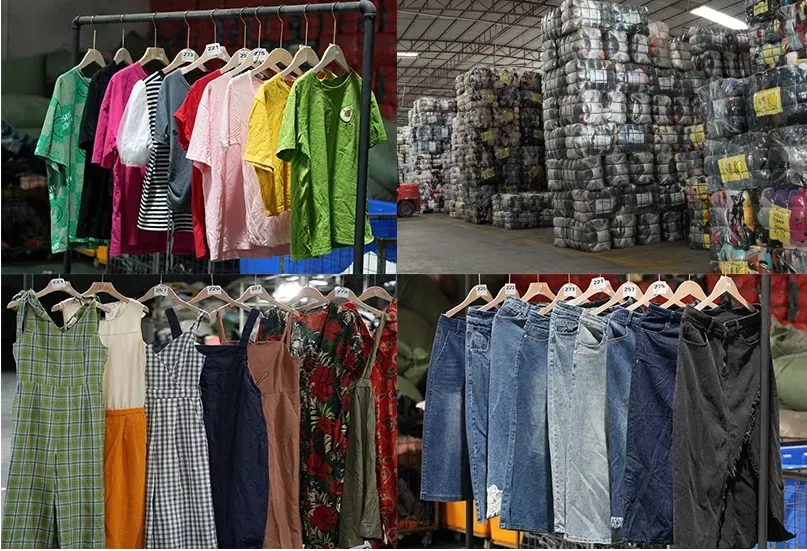
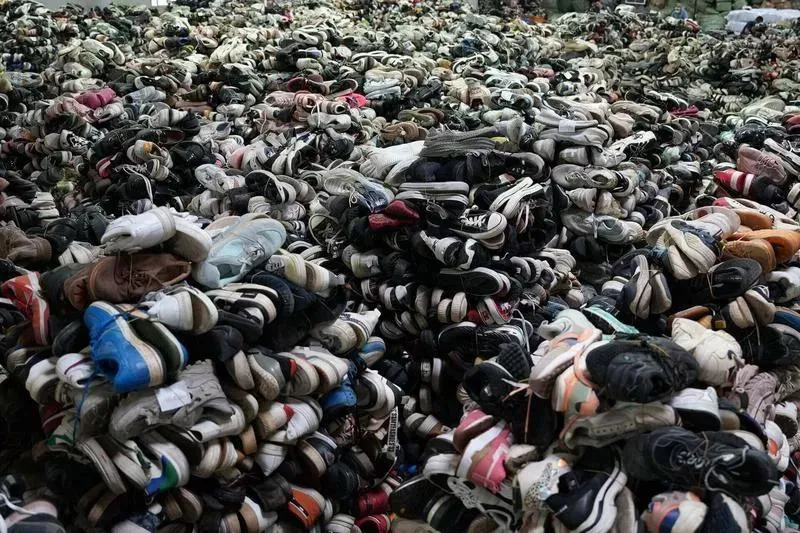

Two ways to configure your order — by destination market, and by purchase volume. Start with the decision most relevant to your buying situation.
These are two separate decision dimensions. Market answers “what to buy for my destination.” Order size answers “how to buy at my scale.” You can use both together.
Product mix, grade direction and packing considerations differ by destination region. Start with your market to see a more relevant configuration.
Order size changes packing efficiency, freight cost and per-unit landed cost. Start with your purchase scenario to see the right order route.
Each market page covers buying context, buyer challenges, product recommendation, grade choice, packing, volume and logistics — configured per order, not fixed by country.
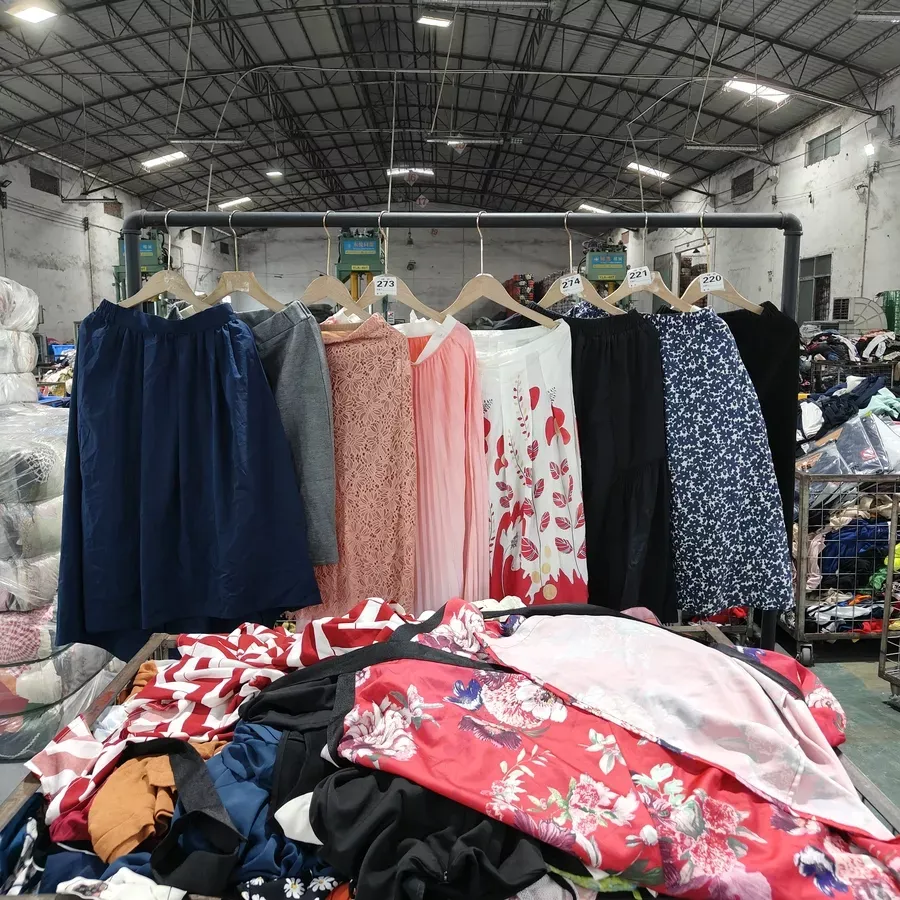
Summer-leaning clothing, footwear and mixed orders for warm-climate resale channels — configured by destination, climate and positioning.

Lightweight, breathable clothing and mixed footwear for tropical and highland resale segments — price-driven and fashion-oriented.
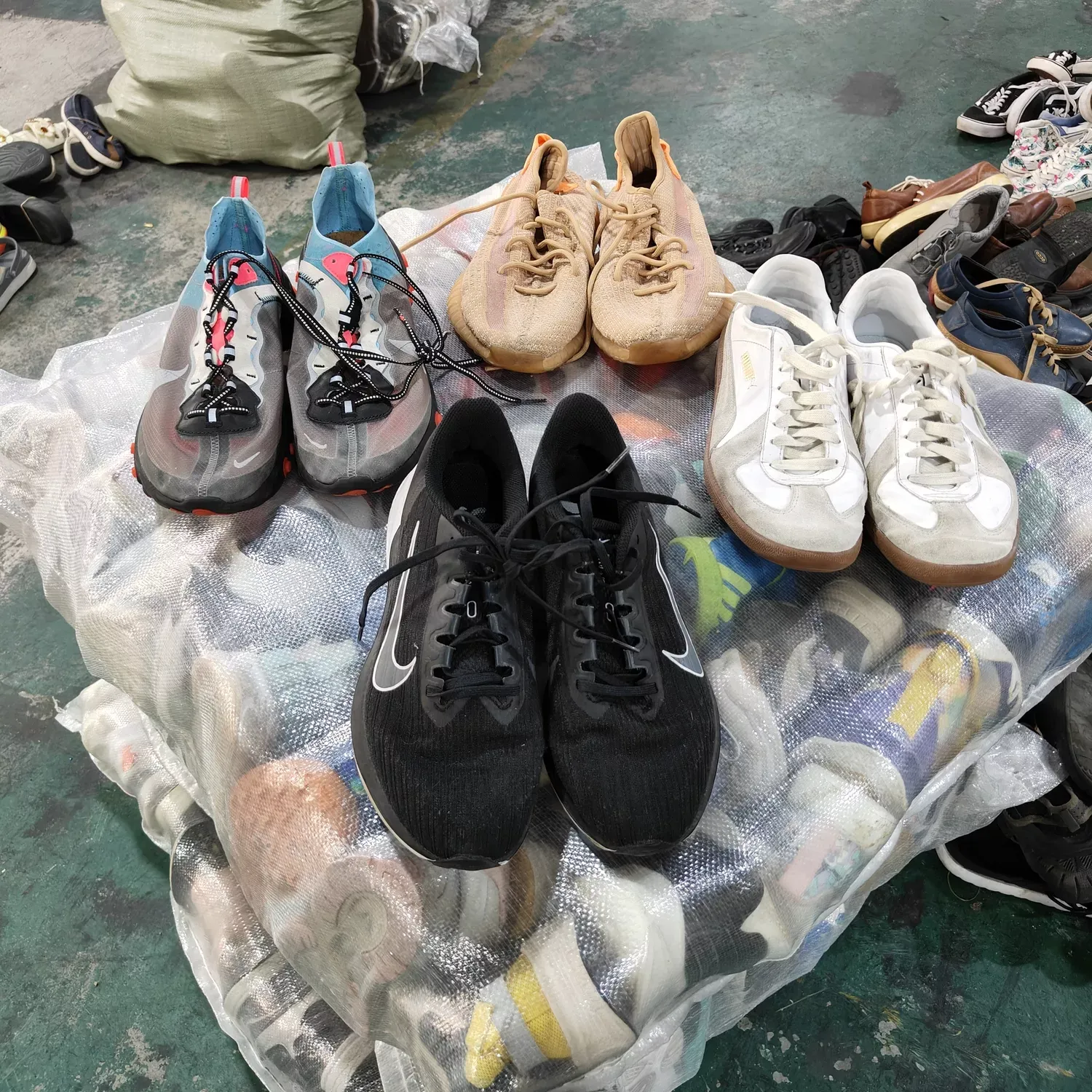
Seasonal clothing and higher-grade footwear for hot arid, coastal humid and cooler highland resale channels.

Balanced seasonal mixes for tropical, temperate, arid and Andean highland markets — configured to your resale positioning.
Order size is a decision scenario, not a buyer label. Each route covers configuration, packing, cost considerations and the path to scale.

Test product, quality, packing and supplier process before committing to a larger order. A trial is a real packed lot — not a sample.
Trial Orders →
Consistent, product-specific lots with clear specifications and quality control — suitable for repeat supply channels.
Bulk Orders →
Plan a full 20FT / 40FT / 40HQ shipment with packing-first configuration and mixed-container support.
Container Orders →Market and order size are the two entry points. Both lead to the same configuration process — product, specification, packing and confirmation.
Whether you start with your market or your order size, the process converges on the same three steps. This keeps configuration consistent across all solution pages.
Market or order size — whichever is most relevant to your buying situation.
Product mix, grade direction, packing format and quantity confirmed together.
Order specification documented, quotation prepared, then PI and preparation.
Solution pages are decision-support tools, not fixed promises. These are the limitations — stated upfront.
These are common assumptions that do not match how our solution pages actually work.
Solutions help you decide how to buy. These sections help you with the other parts of the purchasing process.
Clothes, shoes and bags — full category structure and product detail.
Browse Products →Full order process — requirement, specification, quotation and shipment.
See Order Process →Grade definitions, product-specific criteria and what grade does not guarantee.
See Grade Detail →Facility, sorting, packing and loading — capability evidence.
See Factory →If you are not sure which solution path fits your situation, send us your destination and target volume. We will confirm the entry point and next steps.
Talk directly on WhatsApp: +86 197 0015 6758
Pick the solution path that fits your situation best.
For existing orders, use our after-sales support instead.