 Skip to content

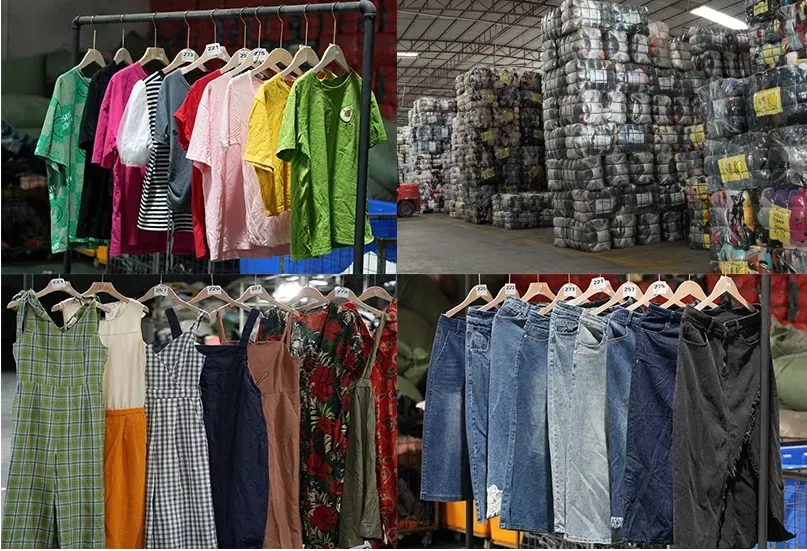
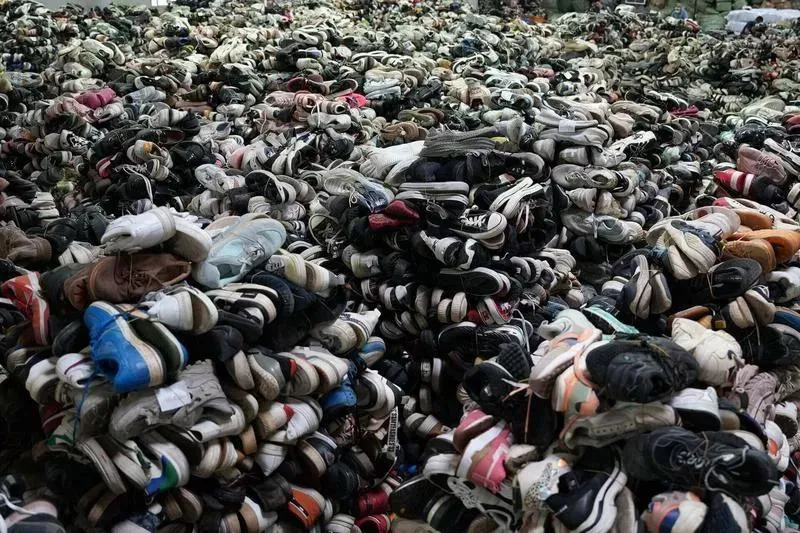

Do not compare the headline bid of an auction lot against the headline price of a direct order. Compare the total landed cost and receiving effort for the same product definition, weight basis, and resale channel.
The lower bid does not always mean the lower total cost. You must account for premiums, freight, inspection time, and the unknown yield of the goods after they arrive at your warehouse.
Why Headline Prices Are Misleading

Many buyers make a mistake: they look at the lowest number and ignore the context. In a fixed-lot buyer-bid auction, the bid is only the starting point. The final cost includes platform fees, premiums, pickup charges, and freight. In a direct sorted order, the quoted price depends on the specific specification, delivery terms, and packing method.
If the two offers describe different products—for example, a gross-weight unsorted bale versus a net-weight sorted category—they are not comparable. Dividing two different price bases by kilograms creates a precise-looking but invalid result. You must establish the same product basis before looking at the numbers.
Match the Product Definition

Two offers only compete when they serve the same resale task. You need to confirm the category, season, grade boundary, and excluded items for both routes. Mark any undisclosed field as an unknown. Do not assume an auction lot matches a direct order just because they both say “clothing.”
The intended sales channel matters. “Saleable” means different things to a discount outlet and a boutique. Define your channel first. This determines how much of the shipment you will actually be able to sell. If you cannot define this, you cannot calculate your true cost.
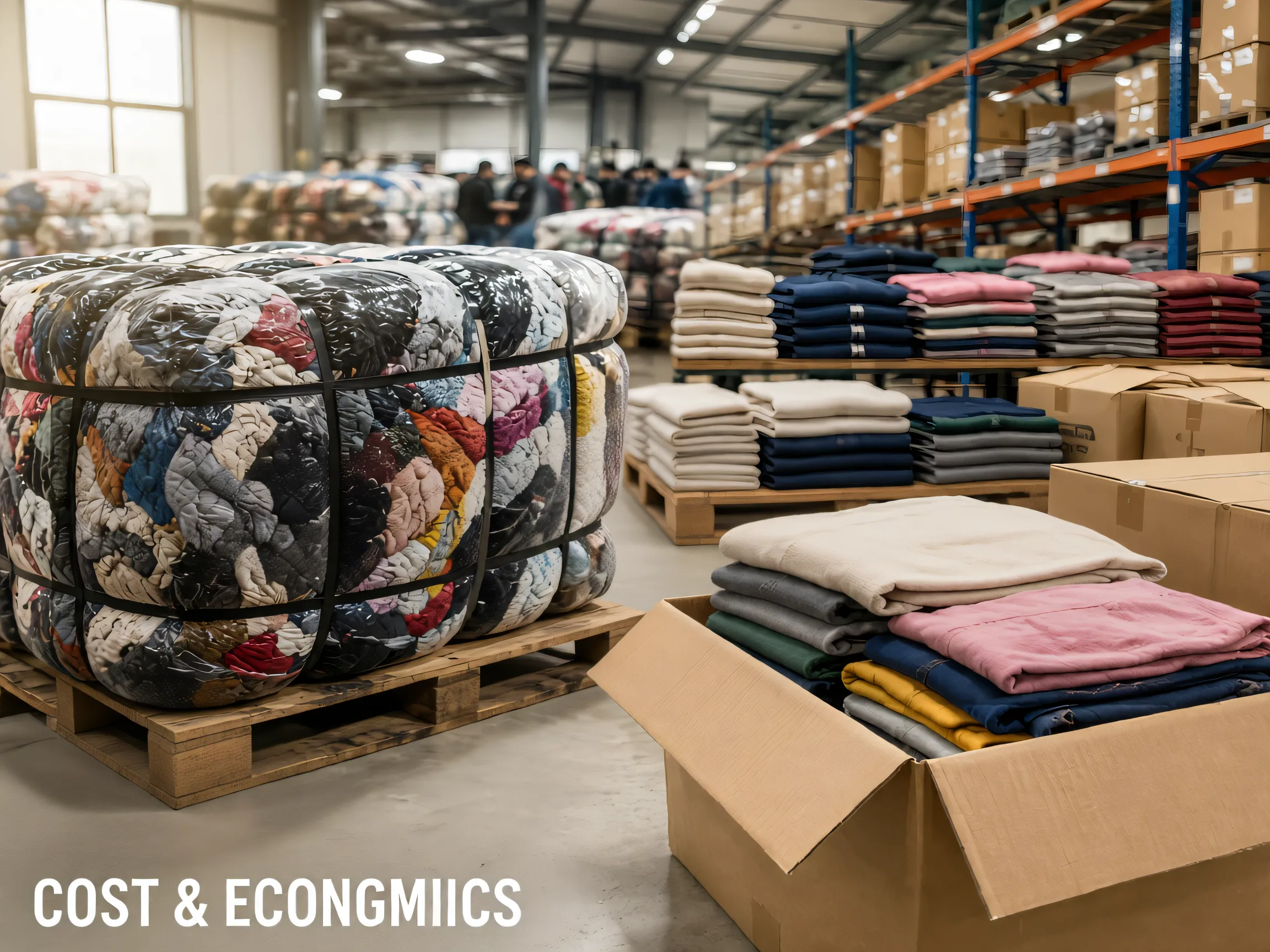
Auction inventory is not automatically “liquidation” or “overstock.” It is a specific procurement mechanism. Do not use the price mechanism as a label for quality or source. Each lot must be assessed on its own evidence.
Practical Takeaways
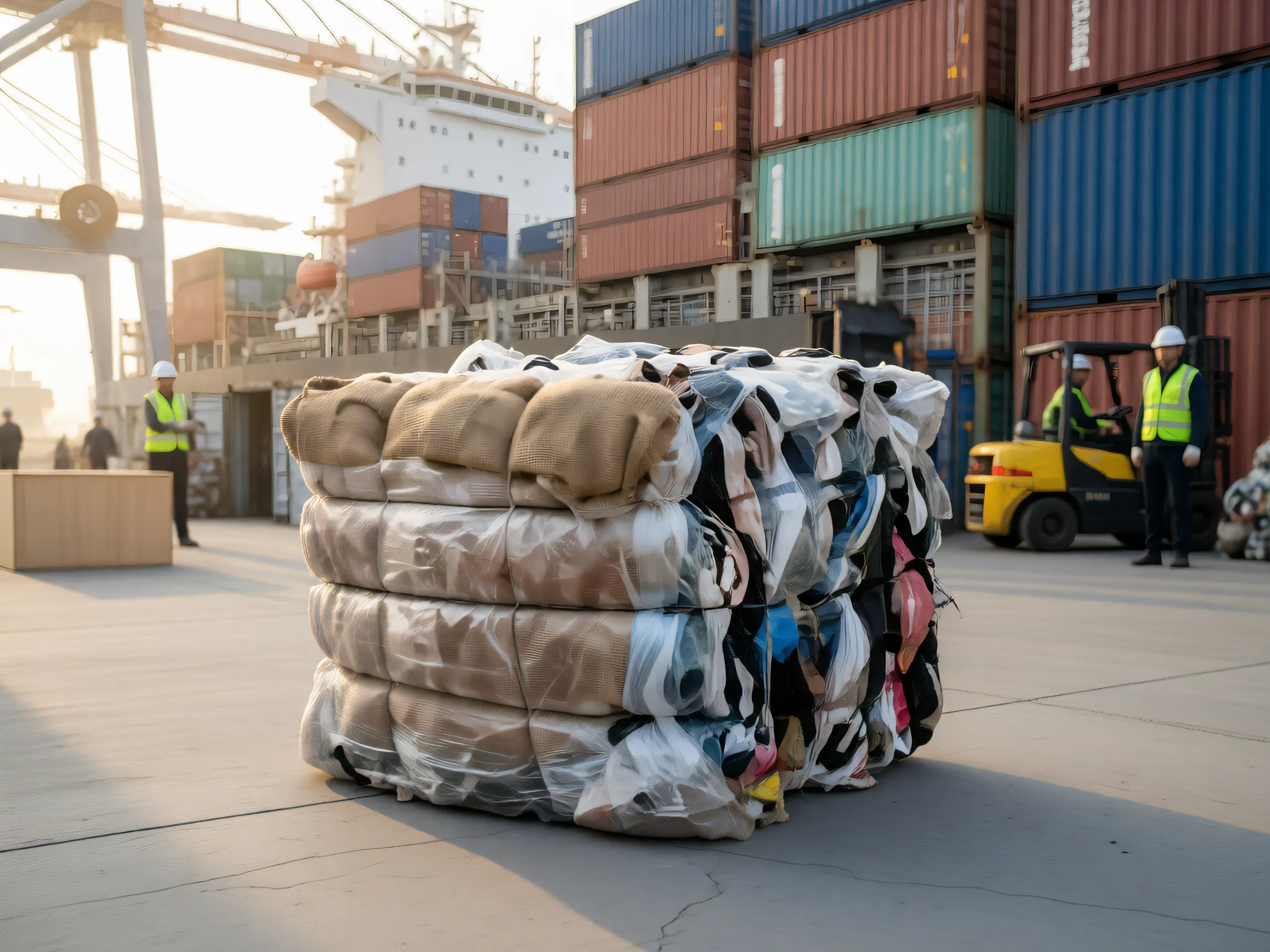
- Choose the Route for Your Operation. Use auctions for bounded one-off opportunities where you can redirect goods. Use direct supply for core categories where you need consistent specifications.
- Bound the Downside. If a material unknown—like condition or grade—cannot be controlled by your team, the correct choice is often no deal, not a gamble.
- Keep Records Separate. Do not mix auction evidence with direct order results. Each route has its own risks and benefits. Averaging them hides the true cost of weak purchases.
Quality Grade & Sorting Standards

Understand how grade boundaries and sorting definitions impact your resale yield and cost per kilogram.