 Skip to content

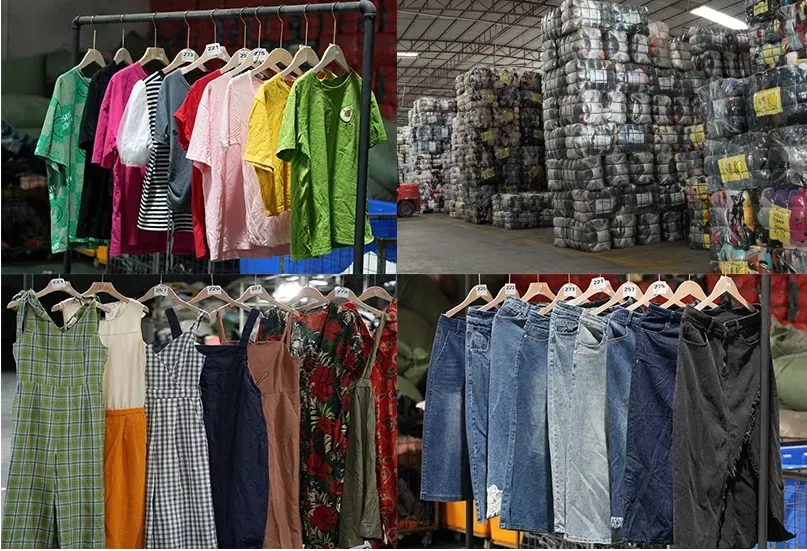



For used-clothing imports, FOB and CIF differ by who arranges main carriage and insurance, not just “who pays freight.” Risk transfers when goods are on board the vessel at the port of shipment under both rules.
A CIF quote is not a landed price. It excludes import clearance, duties, taxes, and inland delivery. Compare quotes only after locking product spec, named ports, and included charges in writing.
How FOB and CIF Split Cost and Risk
Incoterms® 2020 allocates delivery tasks, costs, and risk between seller and buyer. It does not set payment terms, transfer ownership, or determine customs admissibility. As of the current ICC rules, delivery and risk transfer for both FOB and CIF occur when the goods are on board the vessel at the named port of shipment.
The key difference is cost allocation. Under FOB, you arrange and pay for the main ocean carriage. Under CIF, we arrange and pay for port-to-port freight plus minimum cargo insurance (Institute Cargo Clauses C). This shifts the booking workload to us, but the risk point remains the same.
The CIF Risk Trap

Many buyers assume “CIF [Destination Port]” means we carry the risk until arrival. It does not. Once the bales are loaded on the vessel at the shipment port, risk passes to you. We simply pay the freight to the destination port and buy minimum insurance. If goods are damaged at sea after loading, you file the claim using the insurance we purchased.
Because the default CIF insurance is often “minimum cover,” it may not suit every route or concern, such as high moisture exposure. You should verify the insurance certificate, insured amount, and exclusions before payment. If you need wider coverage, specify it in the contract. Do not assume the term “CIF” covers everything.
Does FOB or CIF Fit Containers?
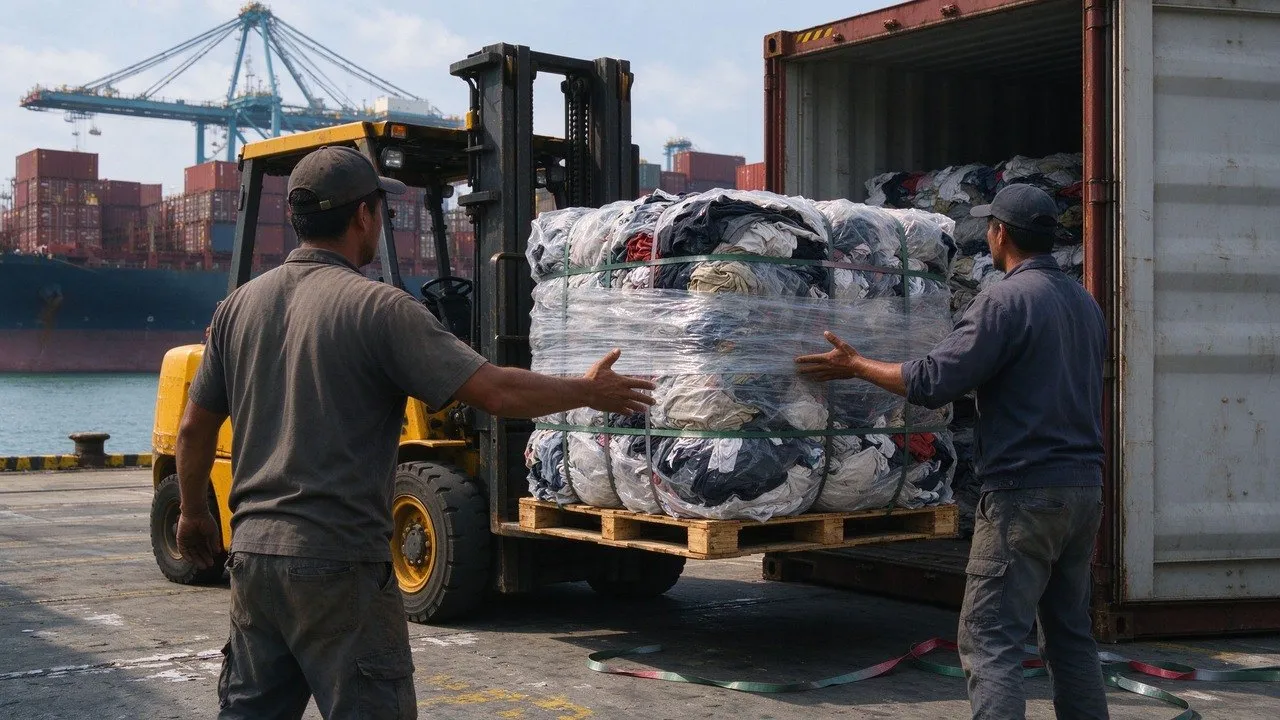
FOB and CIF are designed for sea or inland waterway rules where goods are loaded directly onto a ship. However, used-clothing bales are usually packed in containers. In many cases, the container is handed to the terminal or carrier before it is loaded on board.
ICC guidance suggests FCA (Free Carrier) or CIP (Carriage and Insurance Paid to) may be more accurate for containerized cargo. If the handover happens at a terminal, FCA or CIP describes the control shift better than “on board.” Confirm with your forwarder whether FCA or CIP fits your specific route. If you switch terms, update the sales contract, booking, and documents to match.
“FOB China” or “CIF Africa” is too vague. A valid quote must specify the exact named port of shipment or destination. “CIF” does not include import duties, customs clearance, or inland delivery to your warehouse. It stops at the named destination port.
Practical takeaways
- Choose based on control vs. convenience. If you want to manage freight and insurance yourself, FOB suits you. If you prefer we handle the main carriage booking and minimum insurance, choose CIF.
- Check for container suitability. For full containers, ask your forwarder if FCA or CIP is a better fit than FOB or CIF, especially if handover occurs at the origin terminal.
- Inspect insurance details. Under CIF, verify the insurance covers your specific risks. Minimum cover might not include mold or certain handling damages.
- Align documents early. Ensure the commercial invoice, packing list, and bill of lading match the agreed Incoterm and port names to avoid release issues.
Profit Model & Cost Framework

Explore how import costs, grade definitions, and logistics terms impact your margin on a used-clothing container.