 Skip to content


Safe used-clothing warehouse operations depend on verifying the specific physical properties of incoming bales and local building constraints, not on universal stacking rules.
A competent person must approve a site-specific method for stacking, handling, and fire safety before the first delivery arrives.
Build a Safety Plan Around the Actual Bale
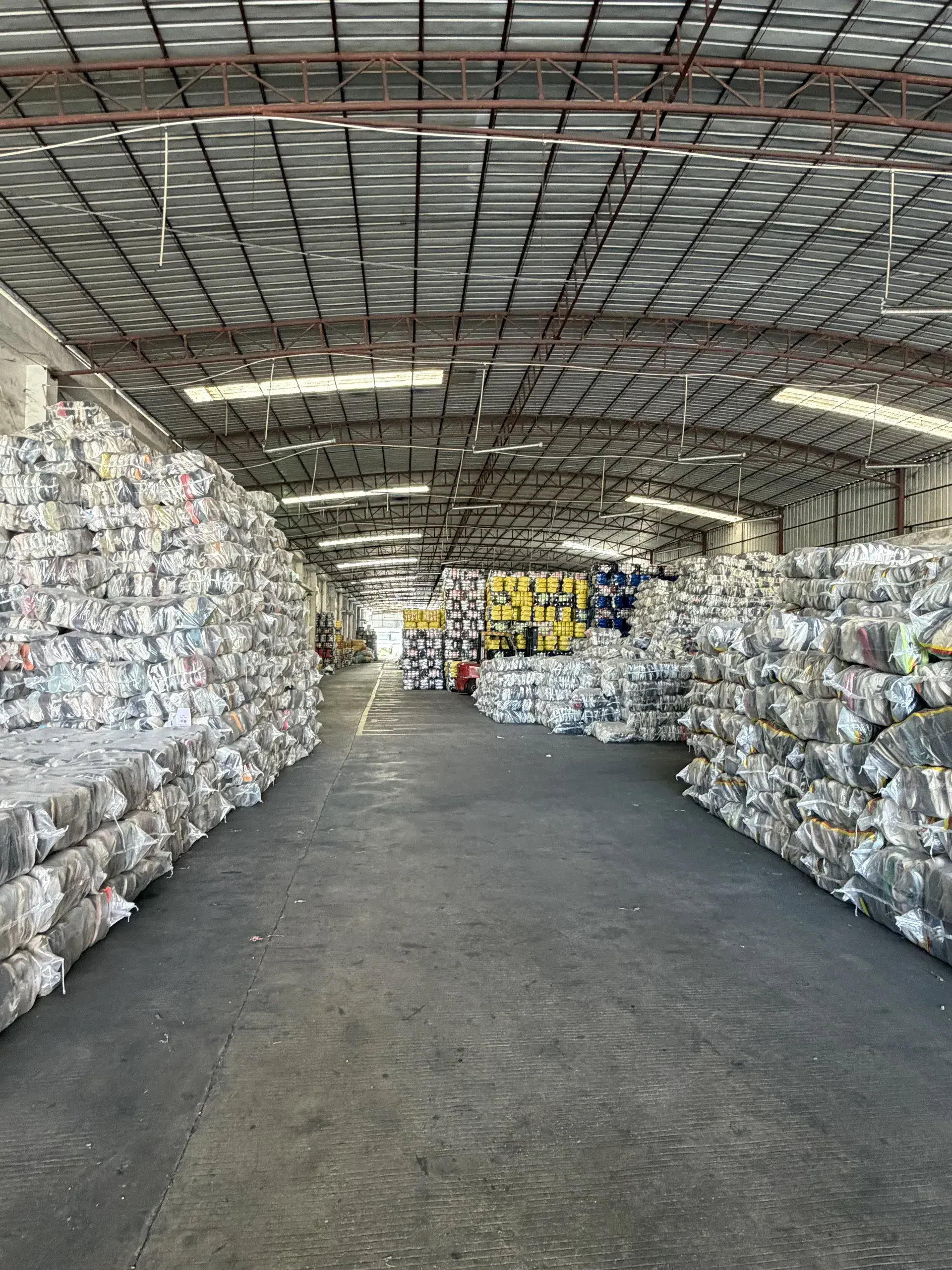
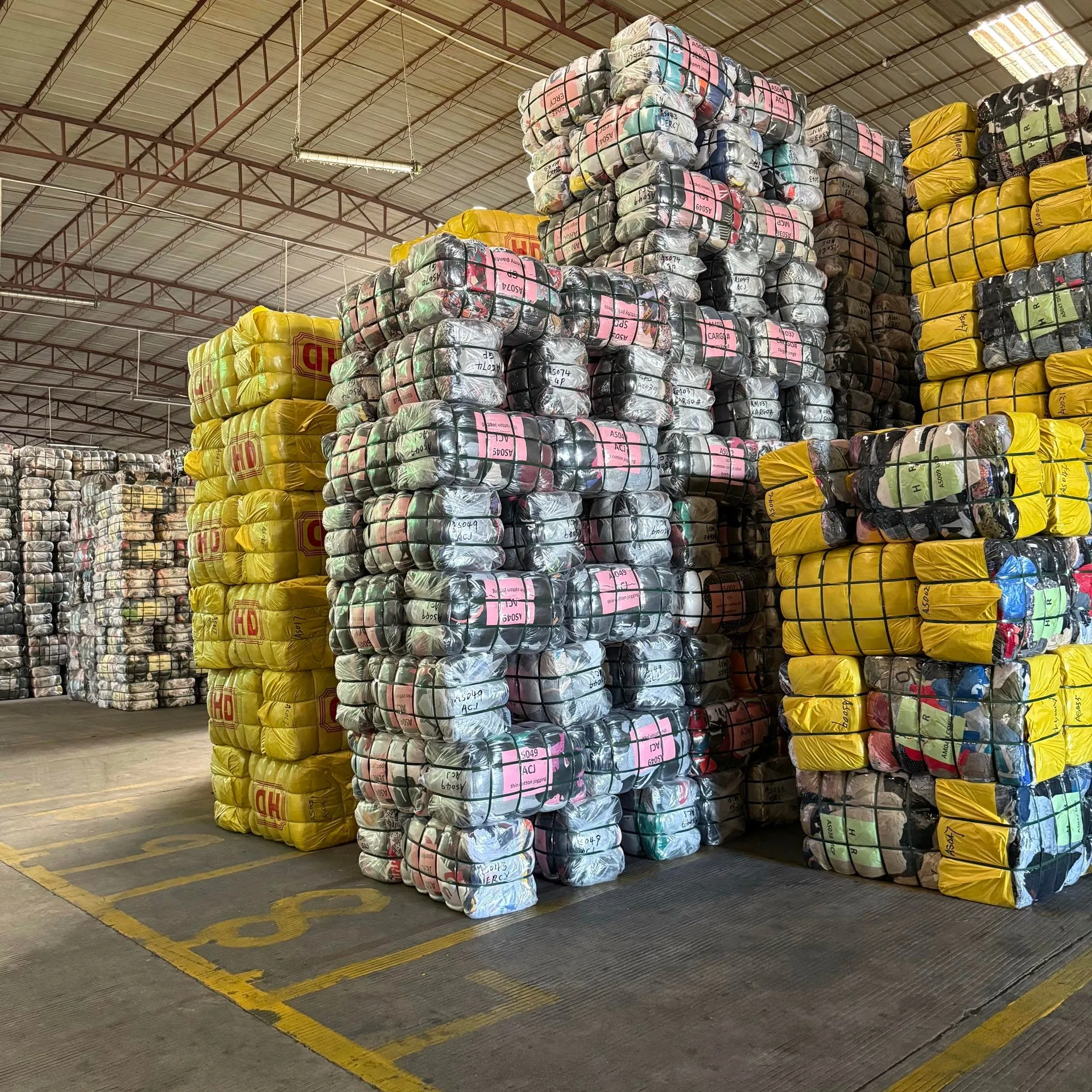
Warehouses cannot rely on generic labels like “compressed clothing bales” to plan storage. The shape, size, weight, density, and wrapping of each bale affect stability and equipment interaction.
The safe question is not “How many bales can we stack?” but “What stack and handling method has a competent person approved for these specific bales in this site?”
Start the warehouse review while the order is still being specified. This allows the site team to reject unsuitable arrangements before delivery.
Record Physical Details Before Arrival
Ask suppliers to state the proposed bale format, dimensions, nominal weight basis (net or gross), and outer wrapping. Record whether the unit will arrive loose or palletized.
Keep these fields in the order record. If a detail is unknown, mark it “not confirmed” rather than guessing based on previous orders or catalog photos.
Assign Competent Owners
Name specific individuals responsible for stack methods, fire layout, and moisture response. Depending on local regulations, this may require a fire-protection professional or occupational-safety specialist.
Supplier roles are limited to providing order-specific packing information. A supplier video does not approve your building’s floor limits or fire safeguards.
Keep Stacks Stable Through the Lifecycle
Stability changes as bales are added, removed, or exposed to moisture. A stack that is safe when built may become hazardous after equipment contact or settling.
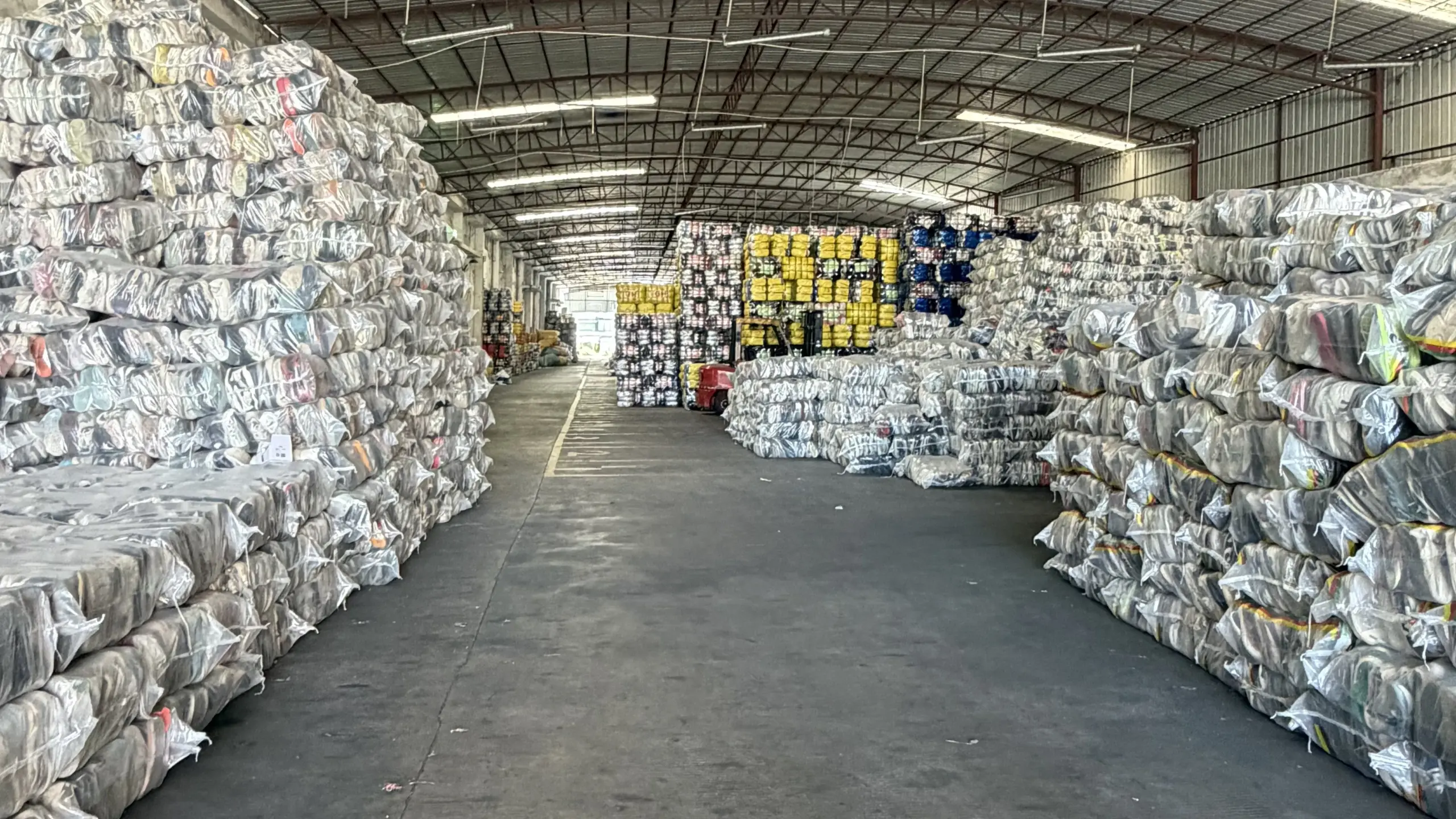
Approve a site-specific method that covers construction, inspection, stock rotation, and de-stacking. Do not copy pyramid patterns from other sites without assessing your specific floor and bale properties.
Control Leaning or Struck Stacks
Define stop conditions for visible leaning, damaged wrapping, or vehicle contact. Restrict access to affected areas until the responsible person reviews the situation.
Never ask workers to climb on or pull back a destabilized stack without an approved recovery method. Separate pedestrians from vehicle movement and protect stacks from impact.
Manage Fire and Indoor Moisture
Compressed textiles have flammability risks. Include stored bales in your site’s fire review, noting changes in stock volume, packing material, or waste accumulation.
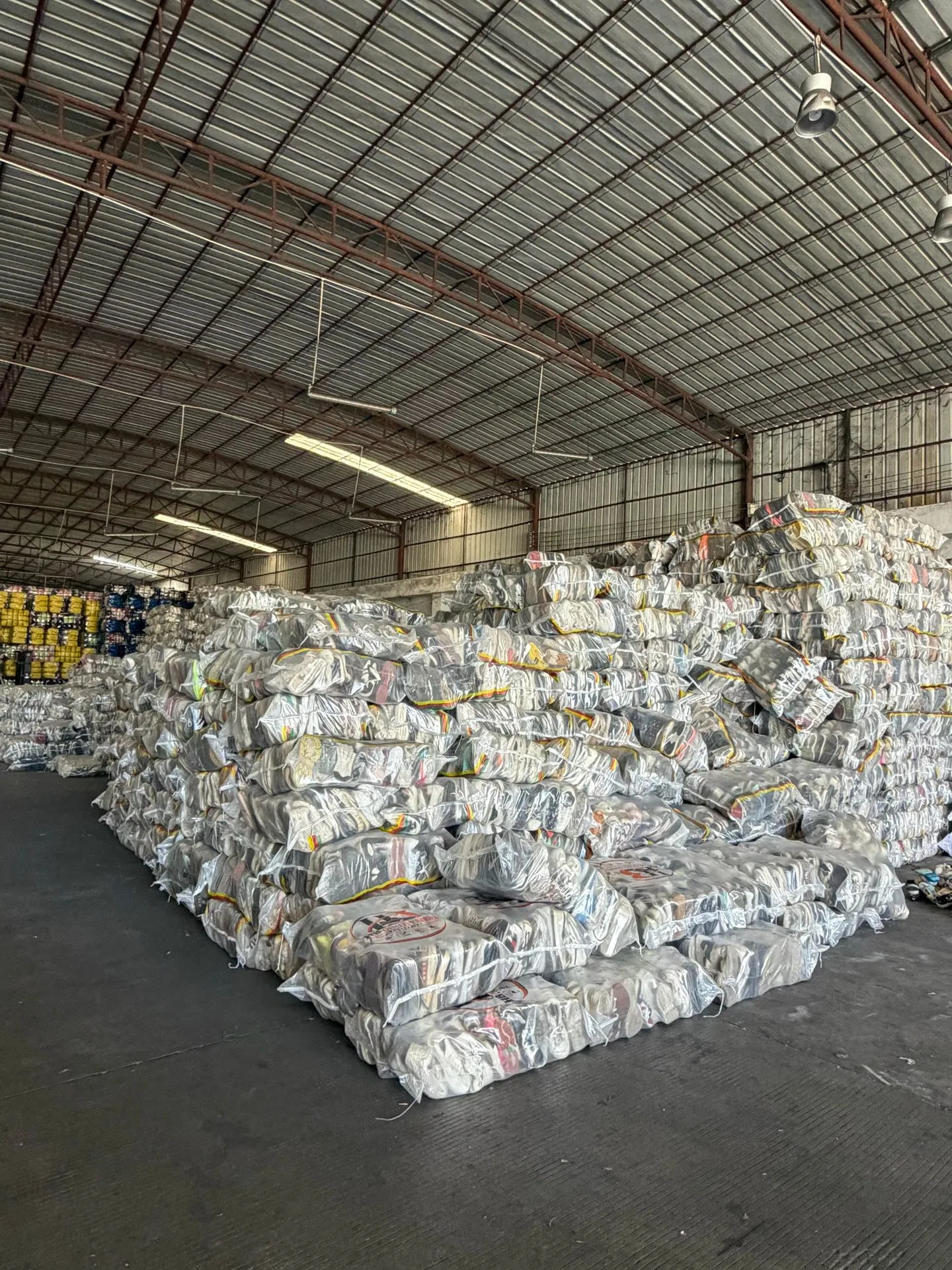
Treat exit routes and fire safeguards as protected space, not overflow storage. Verify the layout with local authorities and protection specialists.
Correct Moisture Sources
Indoor moisture affects floor stability and air quality. Inspect roof penetrations, doors, and drainage regularly. Find and fix the source of dampness rather than relying on air sampling alone.
Isolate wet or suspect material from normal stock flow. Preserve bale references and record observations without diagnosing causes from appearance alone.
Match Equipment to the Task
Mechanical transport does not eliminate manual handling. Workers may still need to rotate bales or guide attachments.
Assess manual tasks by mass, grip, posture, and frequency. Confirm that powered equipment and attachments are rated for the actual load configuration, including visibility and floor conditions.
Separate Pedestrians and Traffic
Implement a traffic plan that separates people from truck travel and stacking zones. Mark who controls access when stock blocks visibility.
If a stack is struck by a vehicle, stop work and send the area back through the stability review. Do not continue normal operations around a compromised stack.
| Control Area | Key Inputs | Planned Control |
|---|---|---|
| Stack & De-stack | Bale properties, floor type, equipment | Approved build and removal sequence |
| Fire & Egress | Material, wrapping, building layout | Protected routes and local fire review |
| Indoor Moisture | Leak locations, affected bales | Source correction and isolation of wet stock |
| Manual Handling | Mass, grip, posture, frequency | Assessed method reducing manual load |
| Powered Equipment | Truck rating, attachment, load center | Compatibility check and operator training |
Supplier statements or videos provide context on packing, but they do not certify your building’s safety, fire compliance, or equipment compatibility. Keep these approvals with your local qualified professionals.
Practical takeaways
- Verify physical specs early. Confirm bale dimensions and weight basis in the order record before the warehouse plans storage.
- Protect fire paths. Ensure exit routes and emergency access remain unobstructed and are reviewed by local authorities.
- Isolate moisture issues. Set up a controlled area for wet or suspect bales and fix building leaks before they affect stock.
Production & Quality Control
Learn how we manage the sorting, inspection, and packing processes that define the physical units you will receive.