 Skip to content

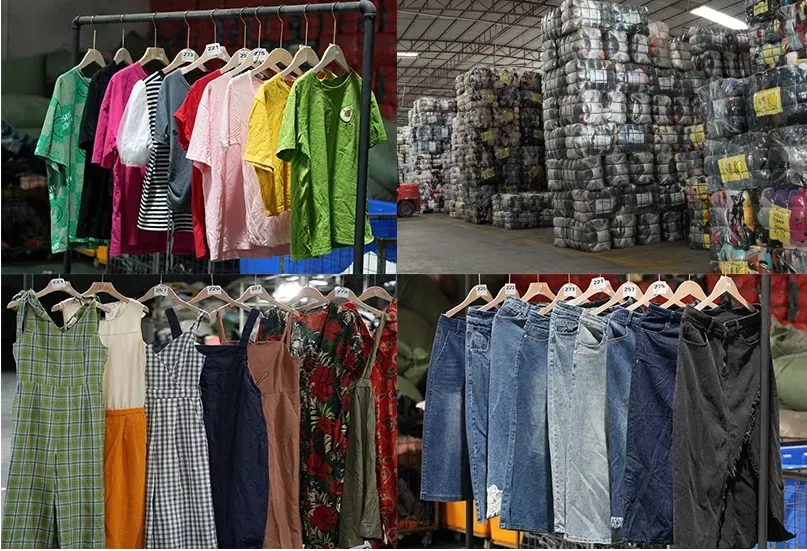



Verified Gross Mass (VGM) is the verified total weight of the packed container, including cargo, packing materials, and the container tare.
You must identify the named shipper in the contract of carriage to determine who is legally responsible for submitting this figure before the booking cut-off.
VGM Starts with the Packed Container and the Named Shipper
VGM answers one specific safety question: what is the verified mass of the packed container? It is not just the weight of the garments or the bales. It includes the cargo, all packing and securing materials, and the tare weight of the exact container assigned.
Responsibility for VGM falls on the shipper defined in the transport documents, such as the bill of lading or sea waybill. This legal entity is not always the party who arranged the purchase or the freight forwarder. You need to resolve the specific name and authority from the current contract and carrier workflow, rather than assuming a job title.
VGM is distinct from other controls. It does not prove the grade of the clothes, customs admissibility, or road legality. A valid VGM is a condition for loading, but it is not a guarantee that the container will be loaded on the vessel. The ship’s master retains discretion over final stowage.
Choose Method 1 or Method 2 Before Building the Number
You must select the verification method before calculating the weight. The two methods under SOLAS regulations produce different supporting records, so you cannot swap them based on convenience.
Method 1 involves weighing the entire packed container using calibrated equipment. The evidence is tied to the specific physical weighing event. You must match the container number, weight unit, and the authorized party providing the result.
Method 2 calculates the total by adding the mass of all packages, pallets, dunnage, and packing materials, then adding the tare of the exact container. This method requires compliance with local certification requirements. For used clothing, simply multiplying bale weight by count and adding a standard tare is often insufficient because it may miss separate pallets or wrapping materials.
Keep Five Weight Sources Separate
The most effective control is keeping different weight sources distinct. Packing lists, bale labels, and carrier submissions answer different questions. Forcing them to match without understanding what they include can hide missing components.
Use the comparison below to understand what each source contributes and what it does not prove.
| Weight Source | What It Answers | Possible Method 2 Role | What It Does Not Prove |
|---|---|---|---|
| Goods or Net Cargo | Mass of clothing without packaging | Cargo input if measured in approved process | Bale gross mass or final VGM |
| Bale or Package Gross | Goods plus packaging in that basis | Package input for reconciliation | Omitted pallets, dunnage, or container tare |
| Packing Materials | Pallets, straps, dunnage, securing material | Separate inputs if not already counted | Cargo identity, grade, or container tare |
| Exact Container Tare | Empty mass of the assigned container | Required tare input for Method 2 | Maximum payload or cargo mass |
| Final VGM Record | Verified packed-container mass | The completed safety handoff | Customs acceptance or guaranteed loading |
RossBoss can help you define category, grade, and packing requirements for your destination market. By putting the bale-weight basis and packing format into the order specification, supplier-side data becomes clearer. However, quotations and nominal bale bases do not certify VGM. The responsible shipper must confirm how measured inputs enter the selected verification method.
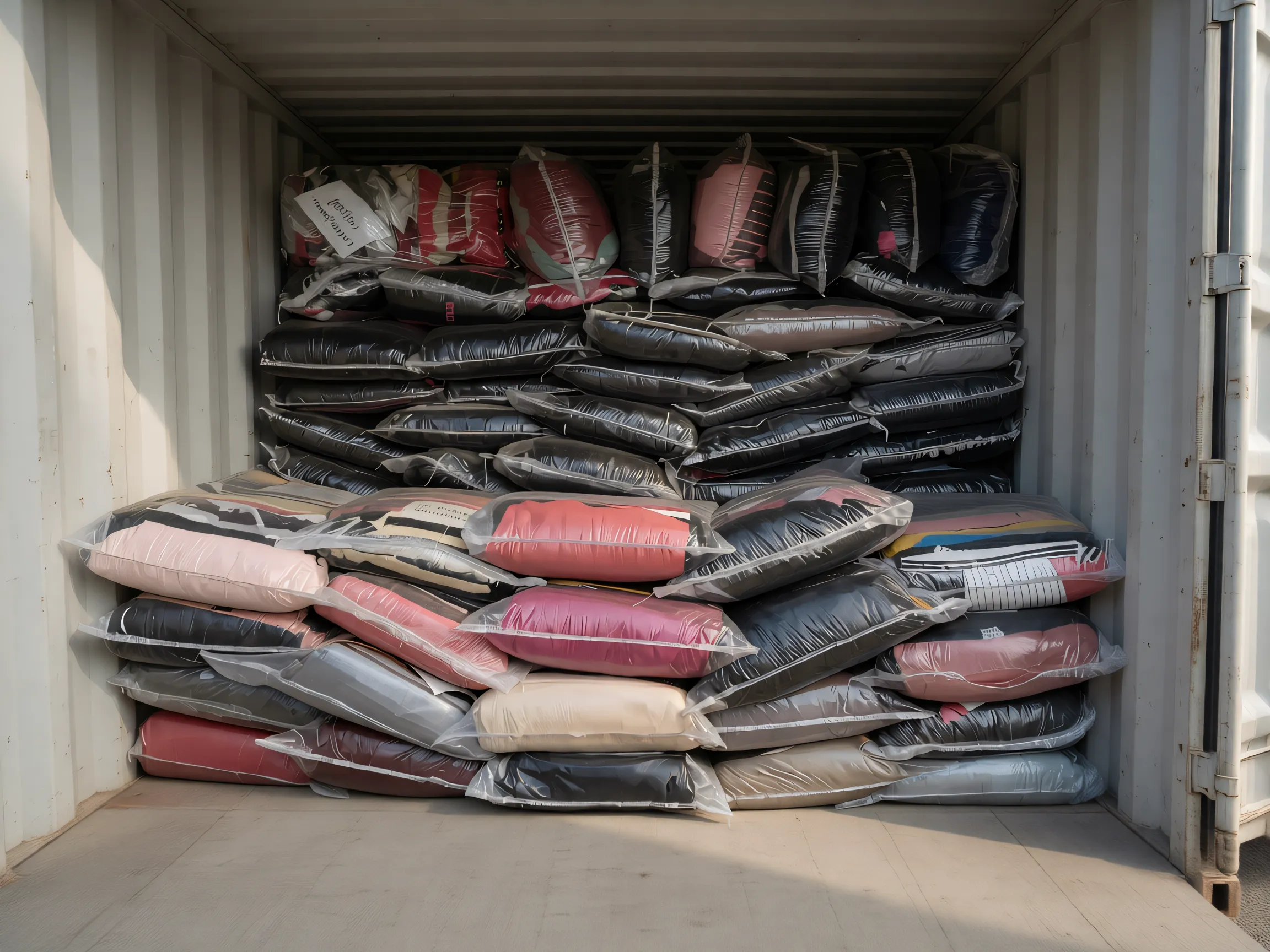
The VGM Cut-Off Is Booking-Specific
There is no single global deadline for VGM submission. Carriers and terminals convert the International Maritime Organization’s requirement into location-specific cut-offs. You must record the deadline exactly as it appears in the current booking, including the local date, time zone, and submission route.
Keep the VGM cut-off separate from cargo cut-offs, vessel departure times, and terminal gate conditions. If the booking, container, or carrier updates the deadline, treat earlier notes as stale until reconciled with the current workflow.
Run the Buyer Check Before the Cut-Off
Even if you are not the named shipper, you can verify that the commercial order and safety handoff refer to the same shipment. This is a visibility check, not a transfer of legal responsibility. Pause the process if the shipper is unresolved, booking numbers do not match, or the tare source is missing.
Match the container, method, and weight unit across all records. For Method 2, ensure the tare matches the exact assigned container, not a generic size. If the container door marking disagrees with a carrier lookup, stop and ask the responsible party which source applies.
Confirm receipt status rather than just an emailed figure. “Sent” does not mean the carrier workflow has accepted the data. Ask for evidence of “received,” “accepted,” or “complete” status specific to the current booking.
An accepted VGM is a condition for loading, not a guarantee of vessel departure. The ship’s master retains final discretion, and operational conditions may still affect the shipment. Do not present carrier status messages to customers as a loading guarantee.
Practical takeaways
- Define the basis early. Specify the category, grade, and bale-weight basis in your order so supplier data has clear meaning for VGM calculations.
- Identify the shipper. Confirm who is named in the contract of carriage before assuming responsibility for VGM submission.
- Track the specific cut-off. Monitor the booking-specific VGM deadline, time zone, and submission route, as these change per shipment.
- Verify receipt status. Ensure the VGM submission is marked as “accepted” or “complete” in the carrier’s system, not just emailed.
Container Orders & Logistics
Learn about our container order solutions, packing options, and how we support your logistics planning from Guangzhou to your destination port.