 Skip to content

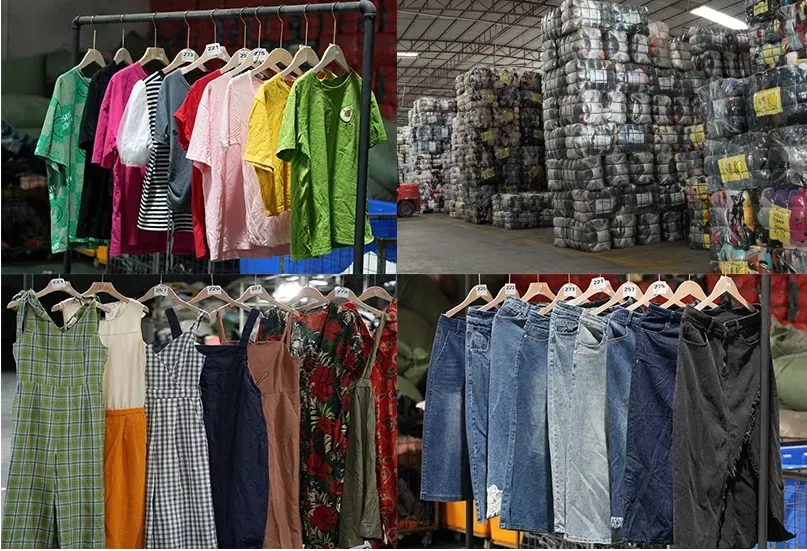
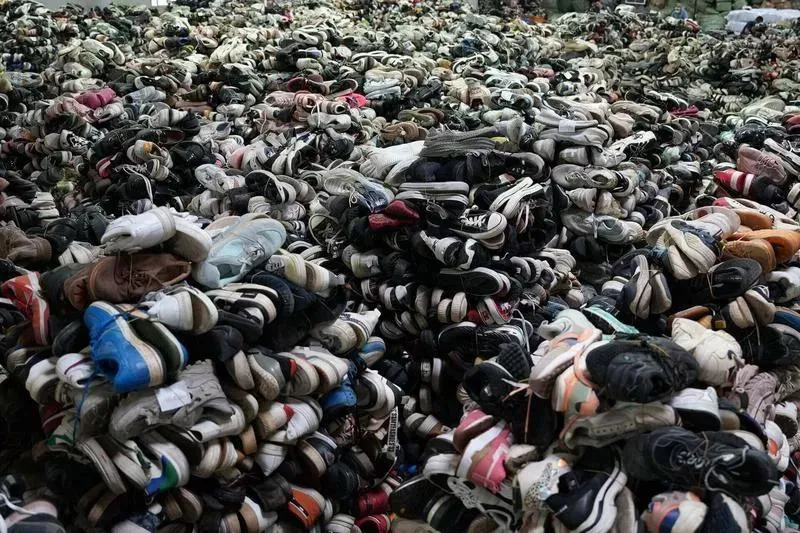


A standard 40HQ container holds either 620 bales of 45kg clothing (28 tons), 310 bales of 90kg clothing (28 tons), or 900 sacks of 25kg shoes (22 tons) — the total weight stays nearly the same, but the bale count changes with density and size.
For RossBoss buyers, this means container planning is not about how many bales fit, but about which bale size and product mix gets you the lowest freight cost per kilogram.
The Rule That Surprises Most First-Time Buyers
New importers often assume that a 40HQ container has a fixed “number of bales” it can hold. In reality, containers are limited by weight and volume, not by bale count. A 40HQ has a practical payload of around 28 tons and roughly 75–76 cubic meters of space. RossBoss packs its clothing bales to hit that weight ceiling, which is why the bale count changes depending on the bale size.
This is why two shipments can both be “one 40HQ” but arrive with very different bale counts. If you order 45kg bales, you get 620 units. If you order 90kg bales, you get 310 units. The total tonnage is identical, so your ocean freight cost per kilogram is effectively the same — a key insight for buyers comparing quotes from different suppliers.
Why Bale Dimensions Matter as Much as Weight
RossBoss publishes exact bale dimensions for every packing option: 45kg bales measure 75×35×35 cm, while 90kg bales measure 75×45×55 cm. These dimensions determine how efficiently the container floor is used. A supplier who over-promises on bale count is usually packing lighter or smaller bales, which raises your per-kg freight cost. Checking the Quality Grade page alongside packing data helps buyers verify that quoted bale counts are realistic.
| Container | Bale Size | Bales per Container | Total Weight |
|---|---|---|---|
| 40HQ | 45kg clothing bales | 620 bales | 28 tons |
| 40HQ | 90kg clothing bales | 310 bales | 28 tons |
| 40HQ | 50kg clothing sacks | 520 sacks | 26 tons |
| 40HQ | 25kg shoe sacks | 900 sacks | 22 tons |
| 20HQ | 45kg clothing bales | 310 bales | 14 tons |
| 20HQ | 90kg clothing bales | 150 bales | 14 tons |
| Packing Option | Dimensions (L×W×H) | Best Suited For |
|---|---|---|
| 45kg bale | 75×35×35 cm | Manual handling, smaller warehouses, flexible resale |
| 90kg bale | 75×45×55 cm | Forklift operations, bulk storage, dense items like jeans |
| 50kg sack | 75×55×35 cm | Loose or mixed clothing, quick packing |
| 25kg shoe sack | 75×50×25 cm | Footwear, easy manual loading |
More bales does not mean more product. A 40HQ loaded with 620 × 45kg bales and one loaded with 310 × 90kg bales both carry 28 tons of clothing. If a supplier quotes a much higher bale count, check the bale weight — you may be paying more freight per kilogram.
Practical takeaways
- Calculate freight per kilogram, not per bale. Divide your total freight quote by the total tonnage, not the bale count, to compare suppliers fairly.
- Match bale size to your unloading equipment. If your warehouse has no forklift, choose 45kg bales. If you have equipment and bulk storage, 90kg bales reduce handling time per ton.
- Mix categories to fill the container efficiently. RossBoss allows combined loads of clothing, shoes, and bags, so you can reach the 28-ton payload even if one category is lighter.
RossBoss Container Loading Guide
See the full packing specification table, bale dimensions, and per-category container capacity for 2026 orders.