 Skip to content

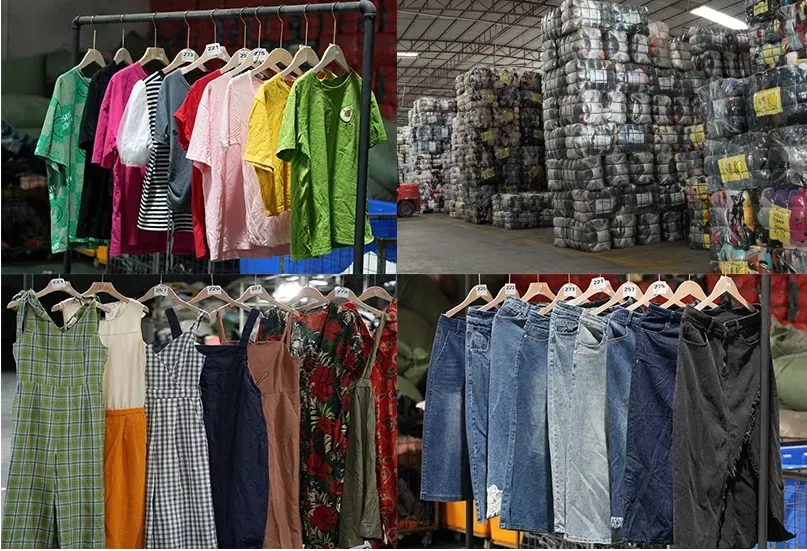



For an ocean-container shipment of used clothing, your core document file starts with a commercial invoice, packing list, and bill of lading.
Add origin, permit, or treatment records only when your specific destination or transaction requirements mandate them. A complete file supports review but does not guarantee customs clearance.
Structure Your Checklist in Two Layers
Keep the common layer concise. The three core records are the commercial invoice, packing list, and transport document (bill of lading for ocean). These records serve different functions, so define the purpose, current status, and reconciled fields for each one before proceeding.
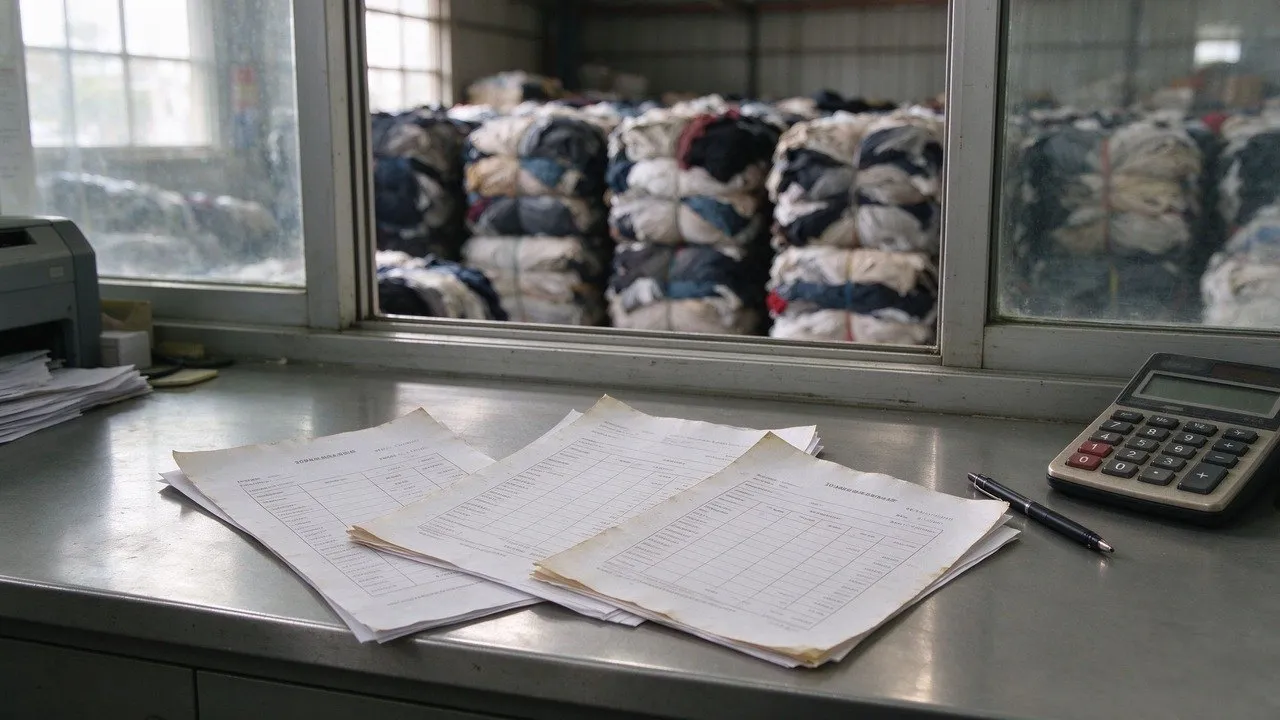
Common Records vs. Conditional Additions
The commercial invoice records the transaction and valuation data. The packing list details package-level facts like bale count and weights. The bill of lading records the ocean carriage. These are standard for most ocean shipments. Conditional records, such as certificates of origin or inspection reports, are only needed when the destination authority or transaction terms require them.

Control the State of Each Document
A filename alone does not prove a document is final. You must track whether each file is a working draft, an approved final, or an issued transport record. Use clear status labels so that everyone on your team reviews the same version.
For example, if the approved invoice lists a corrected consignee name, but the bill of lading draft still shows the old name, do not mark the transport document as final. Trace the instruction, correct the dependent draft, and review the updated version before freezing the file.
Reconcile Fields Before Freezing
Reconciliation means ensuring that material facts are consistent across all documents. One entity may correctly appear as the buyer in the invoice and the consignee in the bill of lading, but key data like weight basis, value, and bale count must align.
If the invoice states “mixed used clothing” while the packing list introduces a different product family or changes the weight basis without explanation, pause. Determine if the source fact changed, correct that source, and regenerate the dependent documents. Do not guess Harmonized System (HS) codes; classification is determined by the destination customs authority.

Do not confuse cargo treatment certificates with wood packaging marks. ISPM 15 compliance relates to regulated raw wood packaging and dunnage; it does not prove that the clothing inside has been disinfected or treated for health purposes.
Practical Takeaways
- Verify Admissibility First. Before collecting documents, confirm that the specific goods are allowed into the destination market under current regulations.
- Use Conditional Triggers. Only add certificates of origin or inspection reports when the destination rules or your transaction terms explicitly require them.
- RossBoss Support. We provide order-specific category definitions and commercial data. Ask for written confirmation of your packing basis and grade boundaries to ensure your documents are accurate from the start.
Container Order Solutions
Explore our full guide to container orders, including planning tips and commercial data alignment for bulk used clothing imports.