 Skip to content

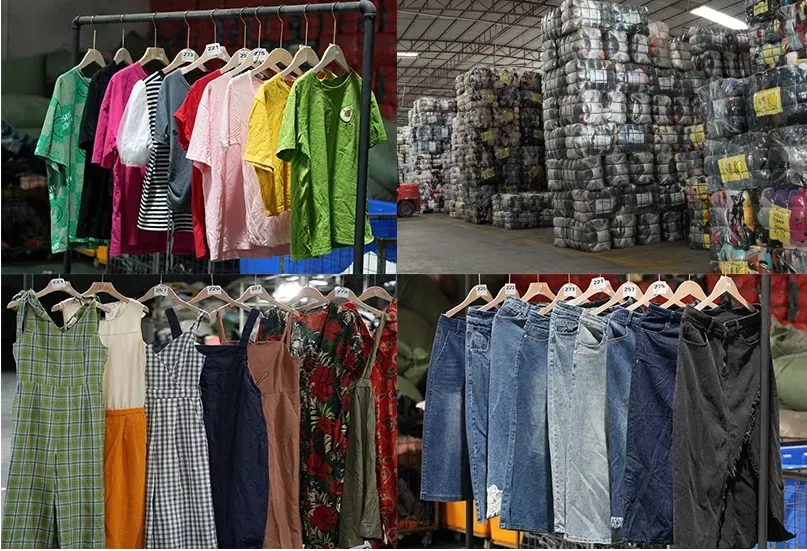
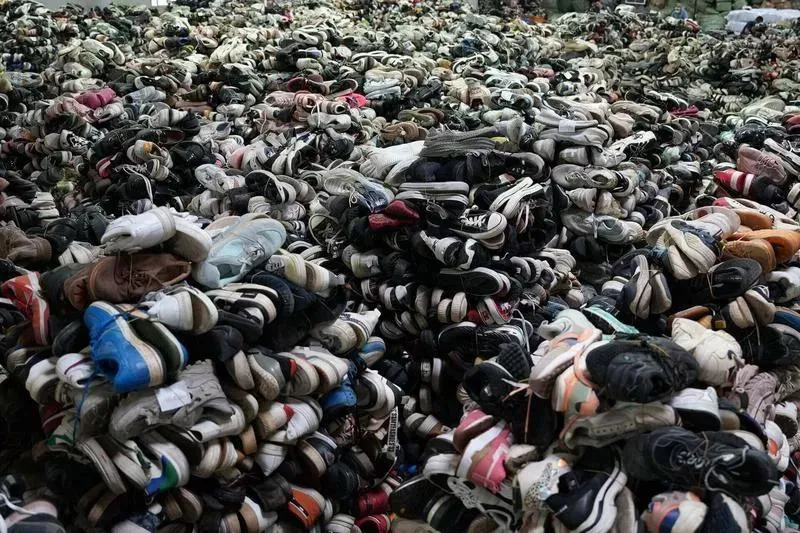

The choice between 45kg and 90kg used clothing bales comes down to two factors: container efficiency and handling cost. A 40HQ container loads either 620 bales of 45kg (28 tons) or 310 bales of 90kg (28 tons), meaning the total weight is identical — but 45kg bales offer more flexibility for smaller buyers while 90kg bales reduce per-kg packaging and handling costs.
For most wholesalers in Africa and Southeast Asia, 45kg bales are the standard because they are easier to move, resell, and inspect, while 90kg bales suit large-volume buyers with forklifts and bulk storage.
Container Loading: Same Weight, Different Count
The most important fact about 45kg versus 90kg bales is that a 40HQ container reaches the same total weight — approximately 28 tons — regardless of which size you choose. The difference is in the number of units: 620 bales at 45kg each versus 310 bales at 90kg each. This means your freight cost per kilogram is essentially the same, whether you ship 45kg or 90kg bales.
What changes is the physical handling. A 45kg bale measures 75×35×35 cm, while a 90kg bale measures 75×45×55 cm. The smaller bale is easier to lift manually and fits through narrower warehouse aisles, while the larger bale requires a forklift or two-person team to move. Buyers with limited labor should factor this into their decision.
Packing Density and Product Suitability
Not all clothing categories compress equally. Lightweight summer items like T-shirts and silk blouses pack efficiently into 45kg bales, while heavier winter coats and jeans are better suited to 90kg bales because they naturally compress under weight. RossBoss offers both 45kg and 90kg options across most summer and winter categories, allowing buyers to match bale size to product type.
| Specification | 45kg Bale | 90kg Bale |
|---|---|---|
| Dimensions (L×W×H) | 75×35×35 cm | 75×45×55 cm |
| Bales per 40HQ | 620 bales | 310 bales |
| Total weight per 40HQ | 28 tons | 28 tons |
| Bales per 20HQ | 310 bales | 150 bales |
| Total weight per 20HQ | 14 tons | 14 tons |
| Handling method | Manual / one person | Forklift or two persons |
| Best for | Smaller buyers, flexible resale, mixed orders | Large-volume buyers, bulk storage, dense items |
| Price Tier | Example Item | 45kg Bale Price | 90kg Bale Price |
|---|---|---|---|
| Premium Summer | Women’s silk blouse (AS001-LSB) | $112 | $223 |
| Standard Summer | Women’s short-sleeve T-shirt (AS013-LTSS) | $63 | $126 |
| Standard Summer | Men’s short-sleeve T-shirt (AS026-MTSS) | $79 | $158 |
| Budget Winter | Men’s jacket (AM111-MJ) | $13 | $23 |
| Budget Winter | Children’s winter wear (AS133-CWW) | $27 | $48 |
Choosing 45kg bales does not increase your total freight cost per kilogram — the container weight is the same. The real trade-off is labor and storage: 45kg bales require more warehouse space per ton and more physical handling, while 90kg bales need equipment but fewer unit movements.
Practical takeaways
- Choose 45kg bales if you lack forklifts. They can be moved manually, fit through standard doorways, and are easier to split for resale to smaller vendors.
- Choose 90kg bales if you have bulk storage and equipment. You will handle fewer units per ton, reducing labor time and packaging waste.
- Mix bale sizes within one container. RossBoss allows mixed loading, so you can combine 45kg and 90kg bales to match different product categories and customer needs.
RossBoss Used Clothing Bale Specifications
See the complete 2026 bale size guide with dimensions, container loading data, and category-specific packing options.