 Skip to content

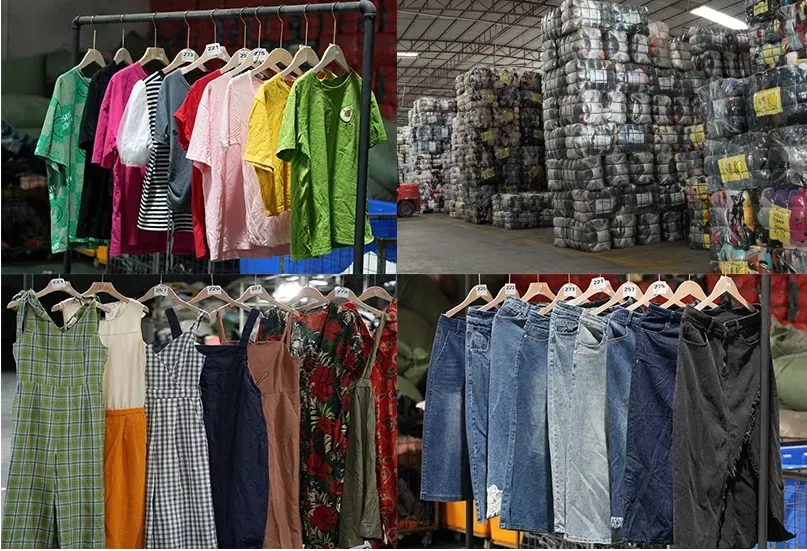
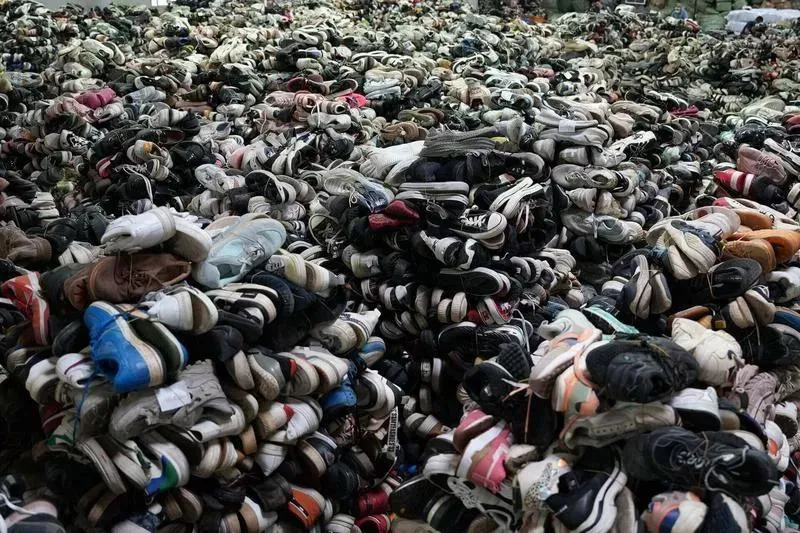


Textile EPR obligations are not triggered by being an “exporter” or “importer,” but by who places the goods on the market first in a specific jurisdiction and whether the products fall under the local legal scope.
You must build a separate EPR decision file for each destination market, because the definition of “producer” and the used-product exclusion vary significantly between the EU, the Netherlands, and California.
Why Commercial Labels Don’t Determine EPR Liability
Many buyers assume that because they are buying second-hand clothing, EPR rules don’t apply. This is not always true. The legal status depends on where the goods are first sold, the specific product codes, and the brand relationships involved.
As of 31 August 2026, three key frameworks illustrate this complexity: the EU framework, the Netherlands scheme, and California law. Each uses different tests to identify the responsible producer. You cannot copy an answer from one market to another without checking the local rules.
Running the EPR Producer Test
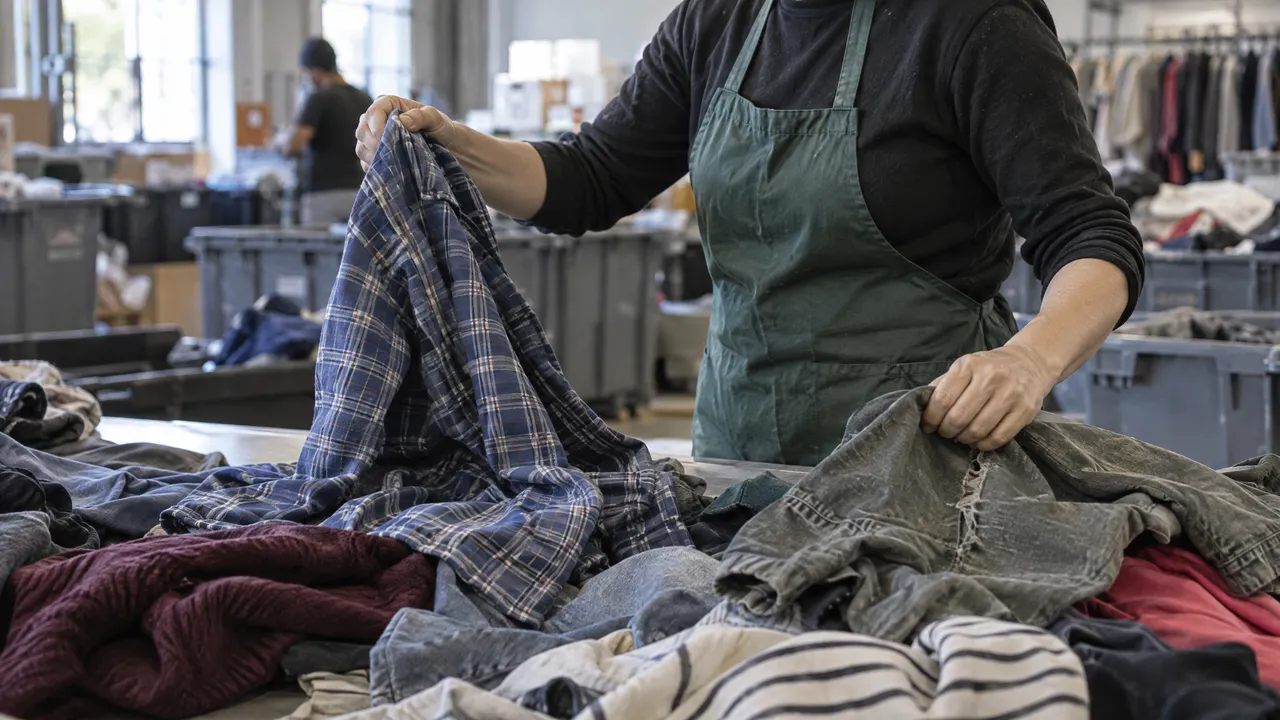
The most reliable way to assess your position is to follow a five-step logic. Each step acts as a gate: if you cannot confirm the fact, you stop and escalate to an official source. This is safer than guessing.
1. Name the Market and the Date
Identify the specific jurisdiction where the products are first supplied. A shipping route involving multiple countries does not automatically determine which EPR scheme applies. You must record the current status of the rule on the date you are checking it. For example, the EU has a common framework, but national schemes are still being established.
2. Describe the Products Before Testing Scope
Record the commercial category and whether the goods are new or used. Commercial grades (like Grade A or B) help define the quality for the buyer, but they are not legal EPR categories. In the EU, for instance, “worn clothing” (CN 6309) is included in the scope, but there is also a specific exclusion for products assessed as “fit for reuse.” You must check both the inclusion and the exclusion criteria.
3. Map Who Places the Products on the Market
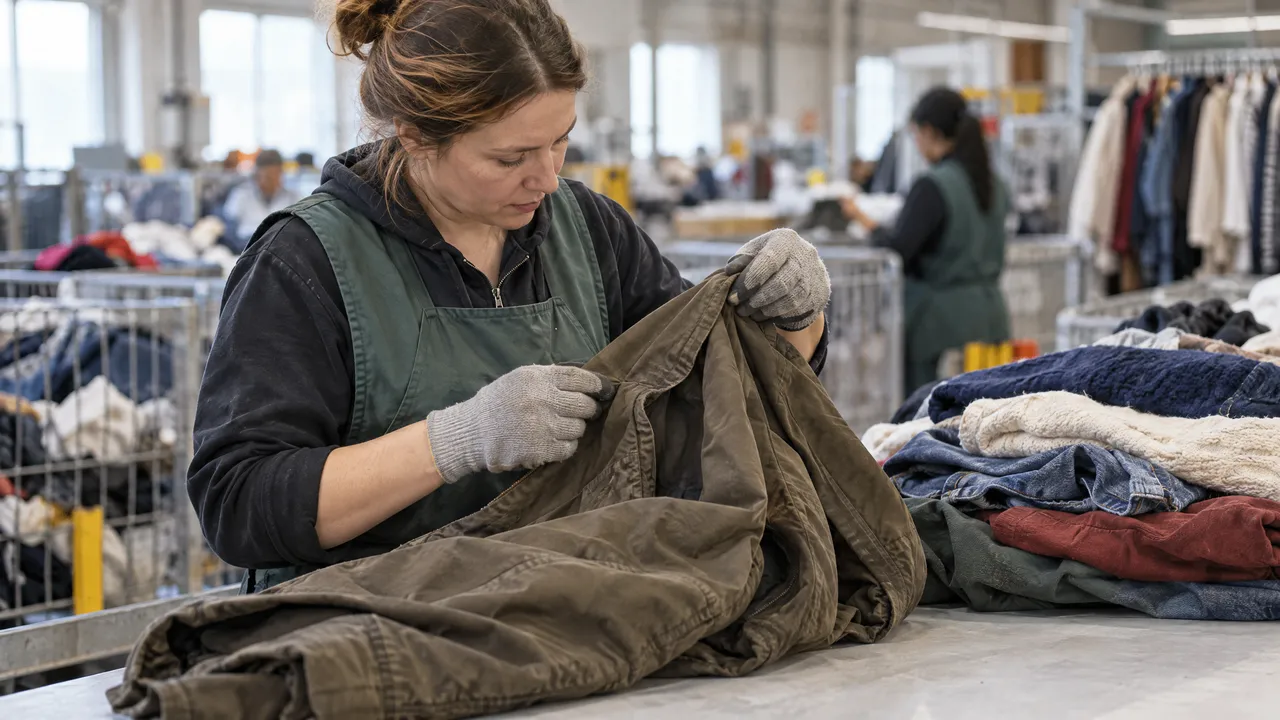
Draw the actual sales chain rather than relying on job titles. Identify who is the first entity to supply the goods in that jurisdiction. This could be an importer, a brand owner, or a remote seller. The Netherlands, for example, explicitly includes importers and foreign distance-sellers in their definition of a producer.

4. Test the Used-Product Exclusion Separately
Do not assume that “used” equals “exempt.” California law excludes sellers who *only* sell secondhand covered products. The EU framework excludes specific used products that have been assessed as fit for reuse. These are fact-dependent and jurisdiction-specific. If your business model involves mixing new and used items, the exclusion likely does not apply.
5. Record the Official Action and Evidence Owner
Once you identify the potential producer, record what the local scheme requires. This might be registration with a regulator, joining a Producer Responsibility Organisation (PRO), or appointing a representative. Assign one internal person to own this record. Do not rely on a freight forwarder for this legal determination unless they are specifically contracted for it.
Current Jurisdiction Examples
The following examples show why you must keep separate files for each market. The same product can have different legal implications in different locations.
European Union Framework
Directive (EU) 2025/1892 entered into force in October 2025. Member States are transposing this into national law with deadlines in 2027 and 2028. The framework defines producers based on first supply within the EU. It includes a specific exclusion for used products assessed as fit for reuse. However, a single EU registration does not solve all issues; you must check each Member State’s specific scheme.
Netherlands
The Netherlands has operated a textile EPR scheme since 1 July 2023. The regulator (ILT) defines a producer as the professional first placer of covered textiles, including importers and remote sellers from outside the country. Producers based outside the Netherlands must appoint a local authorised representative. The current scope includes consumer clothing and workwear, while shoes and bags are currently outside the stated scheme scope.
California
California’s Responsible Textile Recovery Act uses a producer hierarchy with fallbacks. It specifically excludes sellers who *only* sell secondhand covered products. Implementation is staged: a PRO (Landbell USA) was approved in early 2026, and producers were required to join by 1 July 2026. Full implementation is expected in 2031.
Building Your EPR Decision File
For each market, maintain a dated file containing the following. This file should be separate from your customs and shipping documents.

- Business name and registration details.
- Market of first placement and the date of the check.
- Product list, including used/new status and brand relationships.
- The specific legal text of any used-product exclusion you are relying on.
- The required official action (registration, PRO membership, etc.).
- The name of the internal owner responsible for this file.
Keeping EPR Separate from Customs
EPR registration is not a customs declaration. It does not prove that your shipment is non-waste, or that you have permission to import. You must maintain two distinct sets of records:
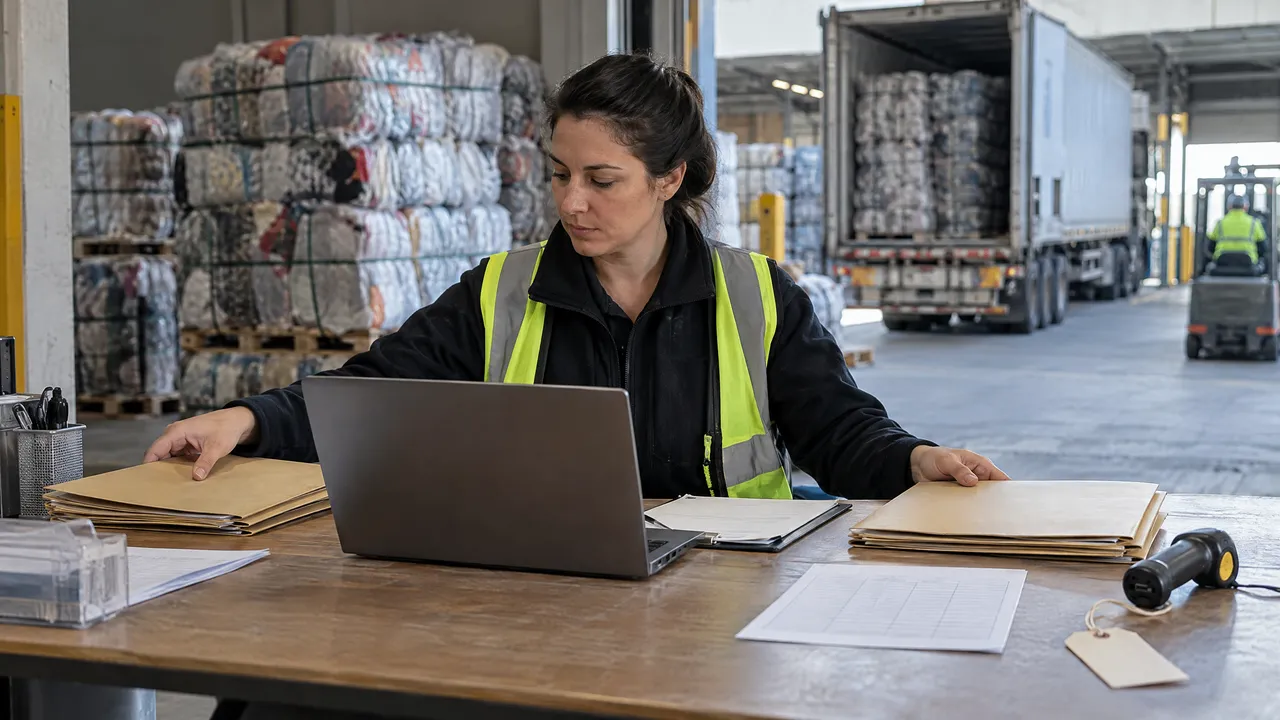
- The EPR File: Contains the legal producer determination, scheme registration, and PRO interactions.
- The Shipment File: Contains customs classification, import permits, waste-status evidence, and transport documents.
RossBoss provides the commercial inputs for the shipment file—such as product category, grade definition, bale packing, and container planning. However, we do not determine your legal status as an EPR producer. That determination must be made by you or a qualified legal adviser based on the specific facts of your market.
Do not confuse EPR producer status with customs classification. An EPR registration confirms you are part of a producer-responsibility scheme. It does not prove your goods are not waste, nor does it grant import permission. These are two separate legal workstreams.
Practical Takeaways
- Maintain Market-Specific Files. Create a separate EPR decision file for each destination market (e.g., US, EU, NL). Do not apply a “one-size-fits-all” approach.
- Use Commercial Inputs, Not Legal Conclusions. Use RossBoss’s grade definitions and packing options to fill out your commercial records. Leave the legal producer determination to your legal counsel.
- Check Exclusions Carefully. The “used clothing” exclusion is narrow. If you sell mixed new and used items, you likely do not qualify for secondhand-only exemptions.
Commercial Order Solutions
Review our available solutions for container and trial orders to understand the commercial inputs we provide for your procurement process.