 Skip to content

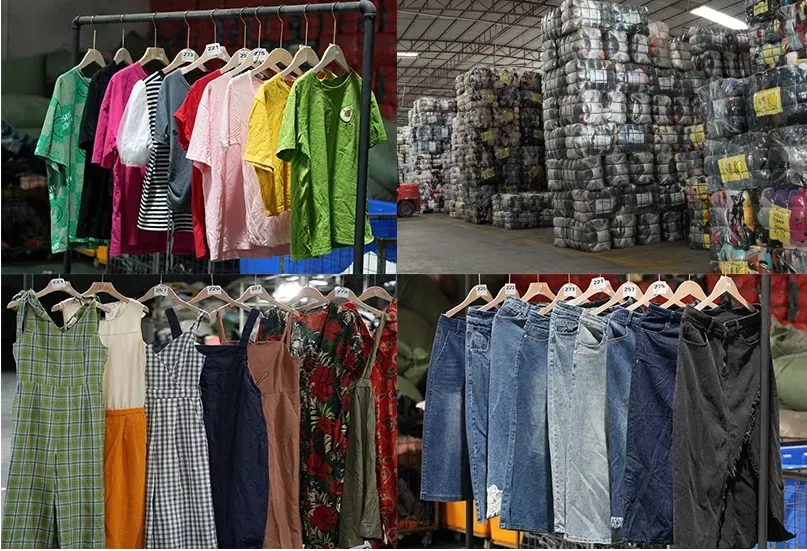
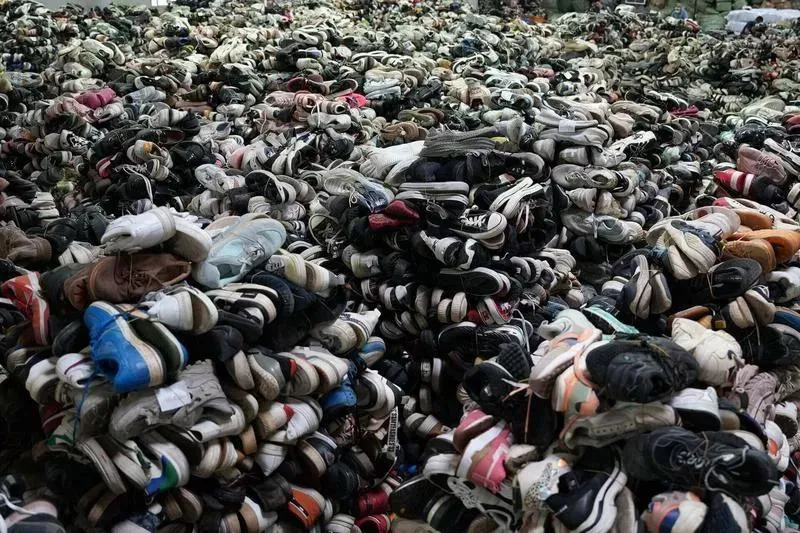

Start a receiving record before opening the load to preserve evidence of position, condition, and quantity.
Use the first 24 hours as an internal workflow target, not a universal legal claims deadline.
Start the Receiving Record Before You Open the Load
Begin with the shipment, not the garments. Record the arrival date and time, location, order reference, and the names of people present. If the shipment uses a numbered seal, photograph it in place and compare the number with transport documents before it is broken.
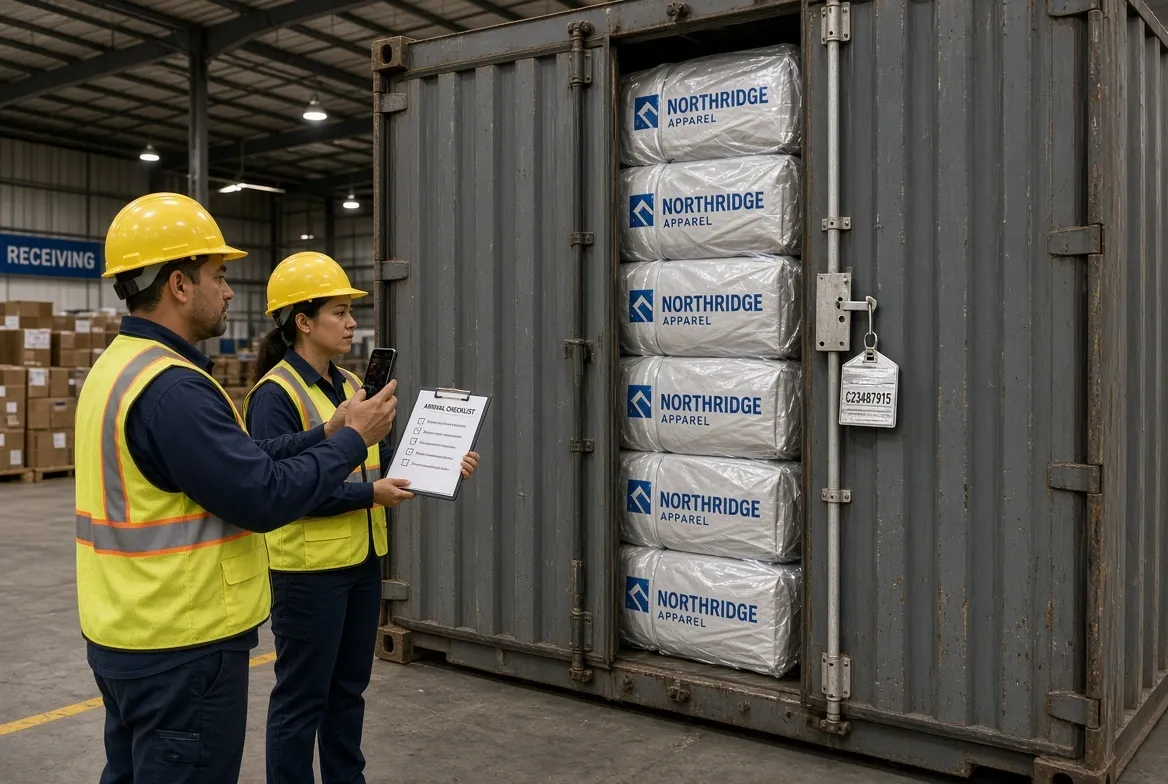
Take wide photographs of the unopened load from multiple angles to show bale positioning and visible impact or water damage. A close-up helps with detail, but it cannot replace a wide image that shows where an affected bale sat in the load.
Keep approved order documents beside the receiving record. For an RossBoss inquiry, category, grade definition, bale weight, and packing requirements can be discussed before quotation. These written requirements are the comparison point when the order arrives.
Separate Transit Damage, Quantity Mismatch, and Product Variance
Do not put every problem under “poor quality.” A damaged wrapper, a missing bale, and an unexpected clothing category are different observations. Record them separately so the right person can review the right evidence.
| Issue Type | What You May Observe | Compare It With | Immediate Action |
|---|---|---|---|
| Transit or External Damage | Wet wrapping, punctures, impact, broken straps | Arrival condition and transport record | Photograph in position and hold affected unit |
| Count or Identity Mismatch | Missing bale, duplicate ID, unreadable label | Packing list, invoice, and bale labels | Recount before dispersing and hold unmatched units |
| Product-Specification Variance | Opened sample differs from agreed category or grade | Approved order specification | Keep sample linked to bale ID and document differences |
This distinction does not decide who caused a problem. It gives the supplier, carrier, or insurer a factual starting point. Avoid conclusions unless the evidence actually supports the connection.
Use the Checklist in Three Stages
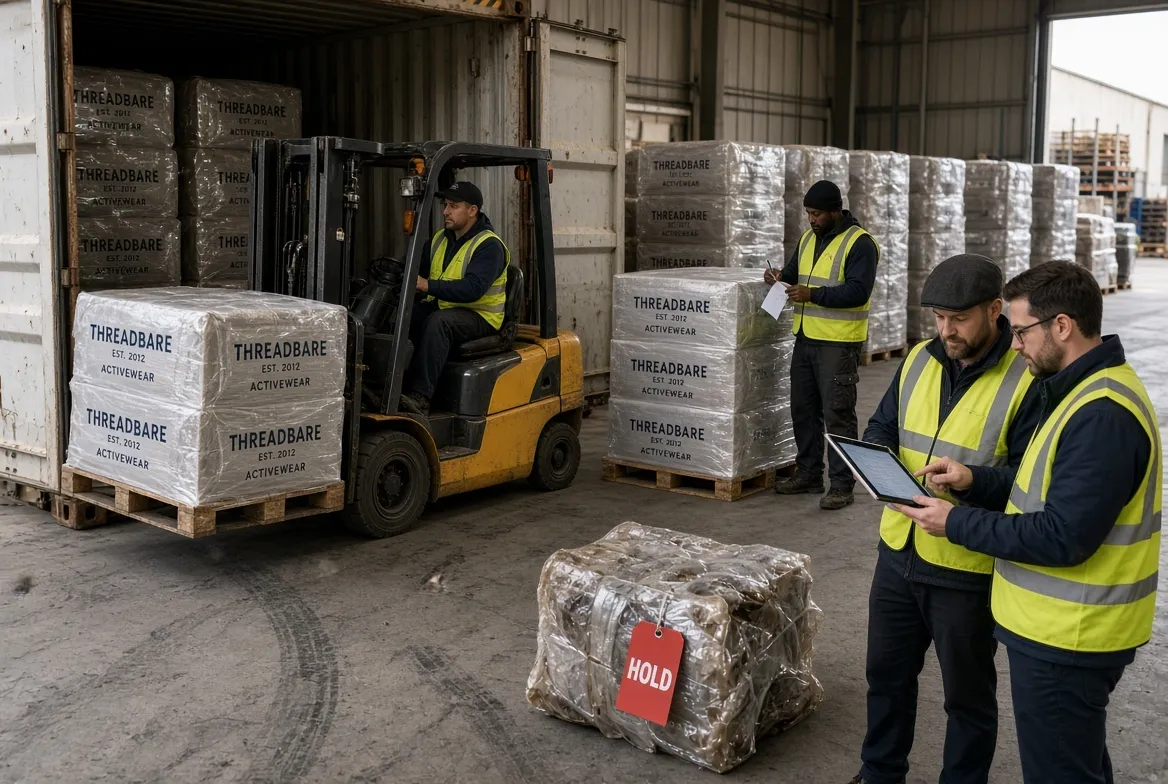
The order of checks matters. A record created after the load has been dispersed cannot show the original position of a bale. Selection bias can occur even when staff intend to be neutral.
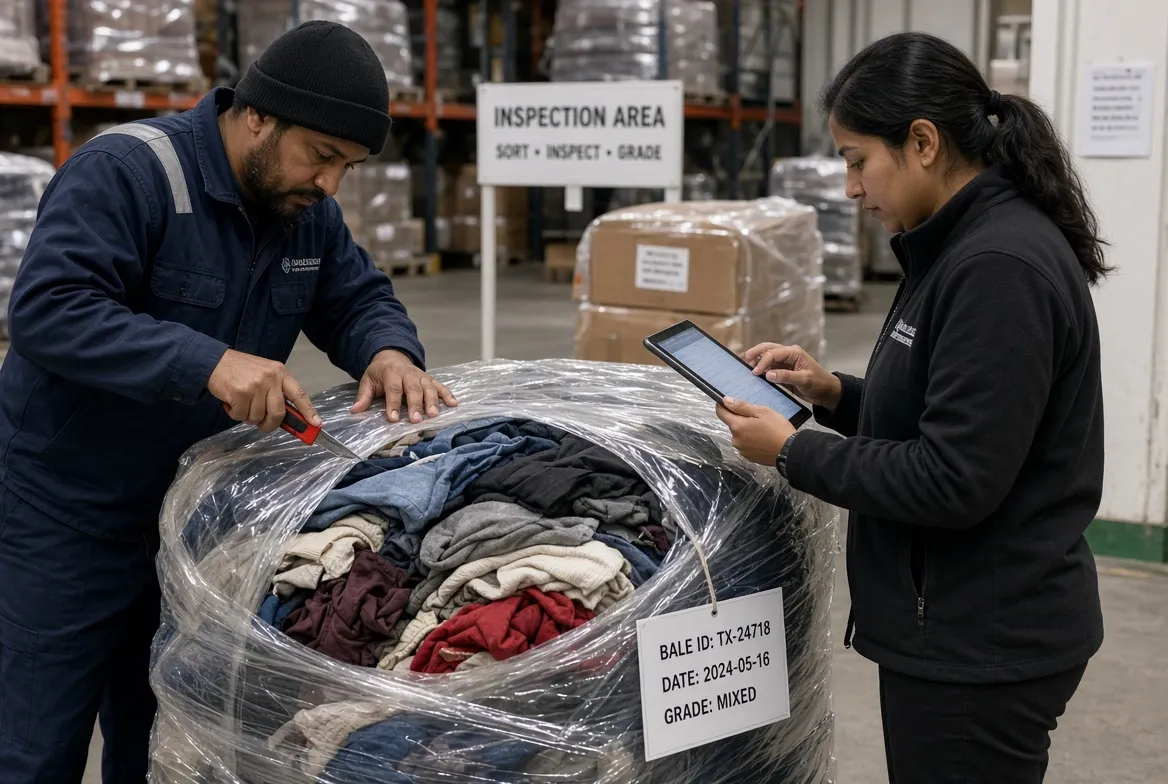
Before Opening the Container
Record the shipment reference, container number, seal number, exterior condition, and people present. Photograph visible damage before doors are opened. If a seal number does not match, pause and clarify it rather than treating it as a minor paperwork issue.
During Unloading
Number the unloading sequence or record location detail to reconstruct it. Reconcile the running bale count with the packing list. Keep externally damaged or unidentified bales separate from normal receiving stock.
Before Opening Selected Bales
Preserve the layout long enough to choose which bales to open. Make the selection before staff begin sorting. Your selection can reflect order risk, such as different categories or externally affected units.
Photographing a visible brand label is not professional authentication. It records what your team saw, but it does not prove every item is authentic or establish a fixed brand ratio inside unopened bales.
Practical Takeaways
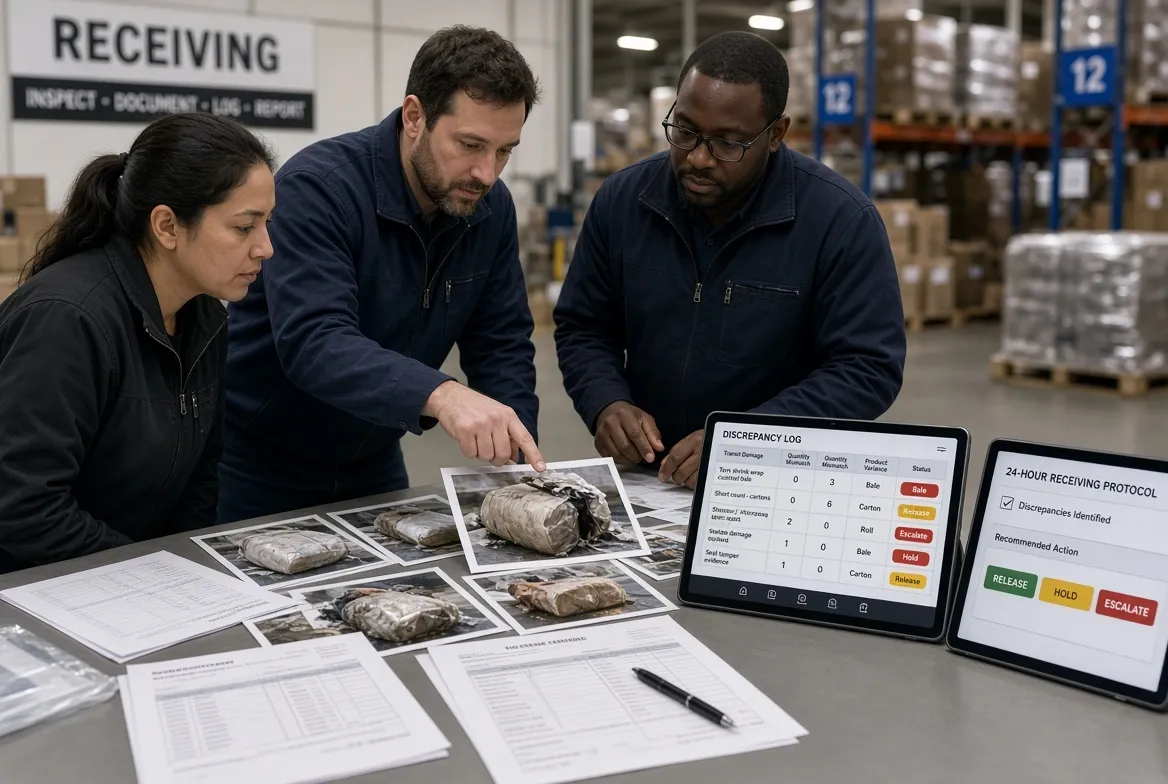
- Define Terms First. Agree on specific category and grade definitions before the order arrives. A label saying “Grade A” is not enough without defined observable defects.
- Use One Discrepancy Log. Store receiving summaries and evidence references in one place so another person can follow the shipment without asking which photo belongs to which bale.
- Be Specific in Communication. When contacting a supplier, identify the exact order field and bale ID. “Quality is wrong” is less actionable than “Bale B-017 was represented as men’s jackets; the record shows mixed outerwear.”
Quality & Grade Management
Review how quality grades are defined and managed to ensure your receiving checklist aligns with agreed specifications.