 Skip to content

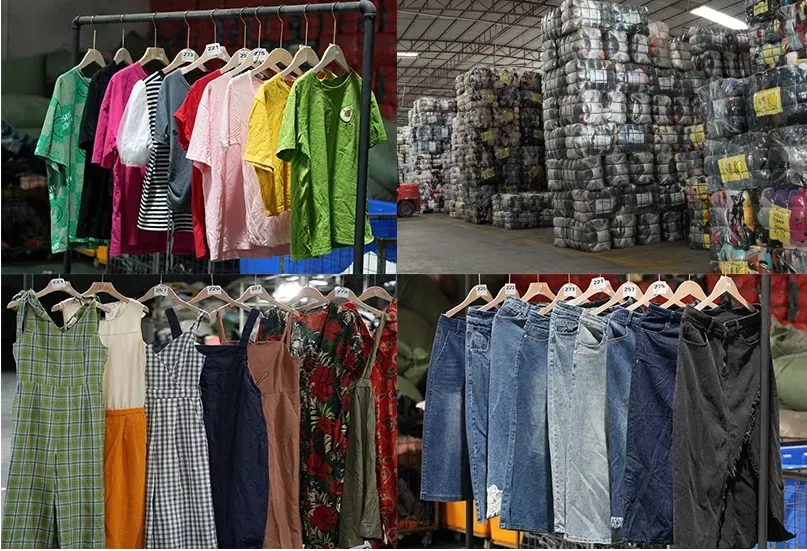


A “DPP-ready” label on a used-clothing bale is not sufficient proof of a Digital Product Passport. You must verify the physical data carrier, the persistent identifier, and the specific scope of the record before relying on it.
As of 31 August 2026, the EU Registry is live, but final textile-specific rules are still pending. Do not treat the passport as a substitute for authenticity, condition, or customs compliance checks.
What the Textile DPP Rules Actually Say Today
The current EU framework, Regulation (EU) 2024/1781, sets the architecture for Digital Product Passports, but it does not finalize the exact field list for textiles. The specific data requirements, carrier placement, and access rules will be defined by a future delegated act.
This distinction matters for your buying decisions. You should not assume that current information categories are a final mandatory checklist. Instead, use them as preparation areas while waiting for the final legislative text. For context on how we categorize our current inventory, see our Quality Grade page.
The Registry Is Live; the Textile Delegated Act Is Not Final
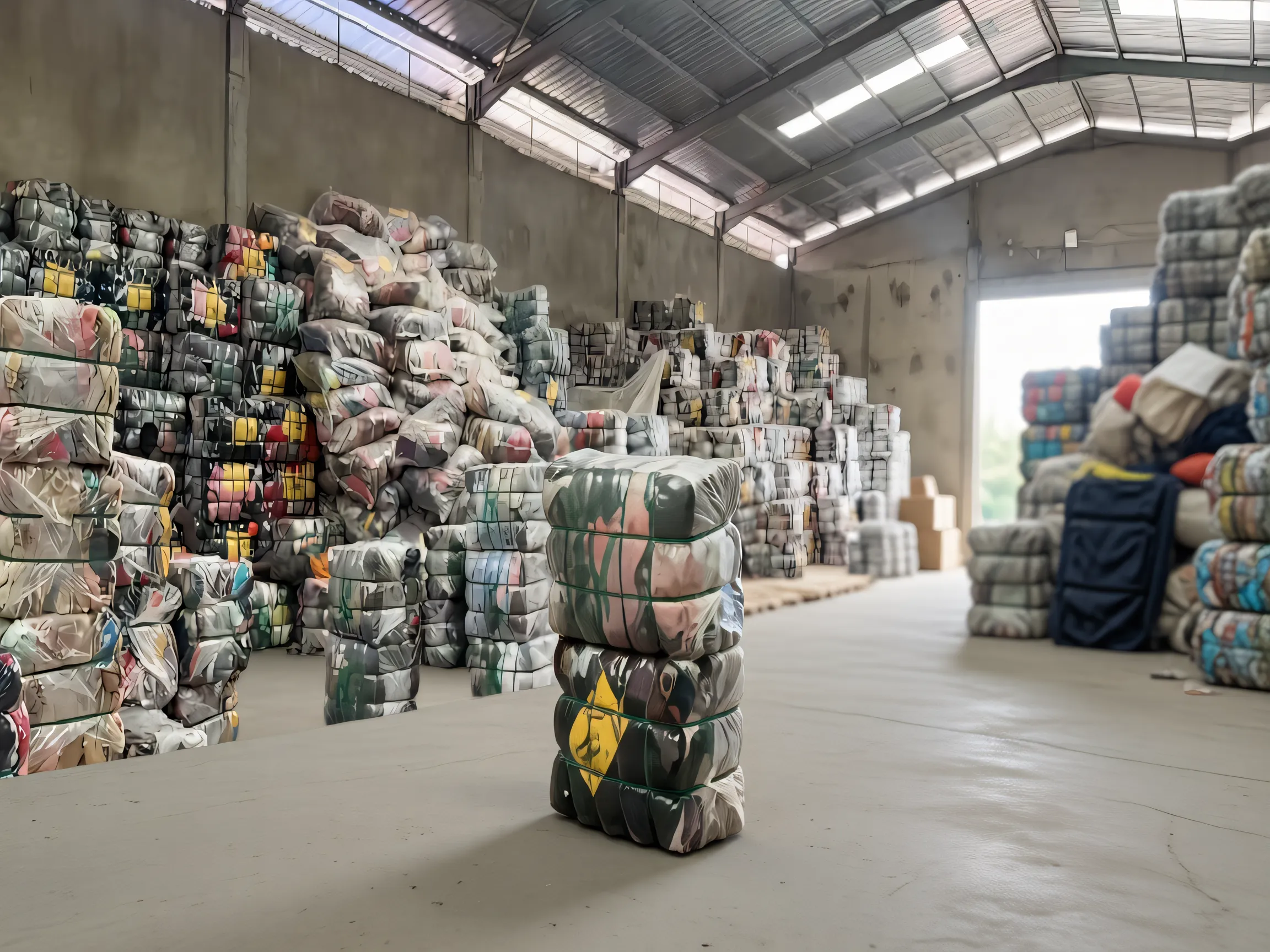
The EU DPP Registry became operational on 20 July 2026. This infrastructure milestone allows identifiers to be stored, but it does not mean textile rules are fully enforceable yet. The Commission currently indicates a Q4 2027 timeline for the textile delegated act, with at least an 18-month transition period expected.
Practically speaking, registry readiness does not equal final enforcement. Buyers should record what suppliers claim now, label any unresolved fields as pending, and recheck the official status before using DPP claims in a purchase decision.
What a DPP Can—and Cannot—Prove
A DPP connects a data carrier (like a QR code) to a persistent unique identifier. This link provides access to information assigned to a specific product scope, which could be at the model, batch, or item level.
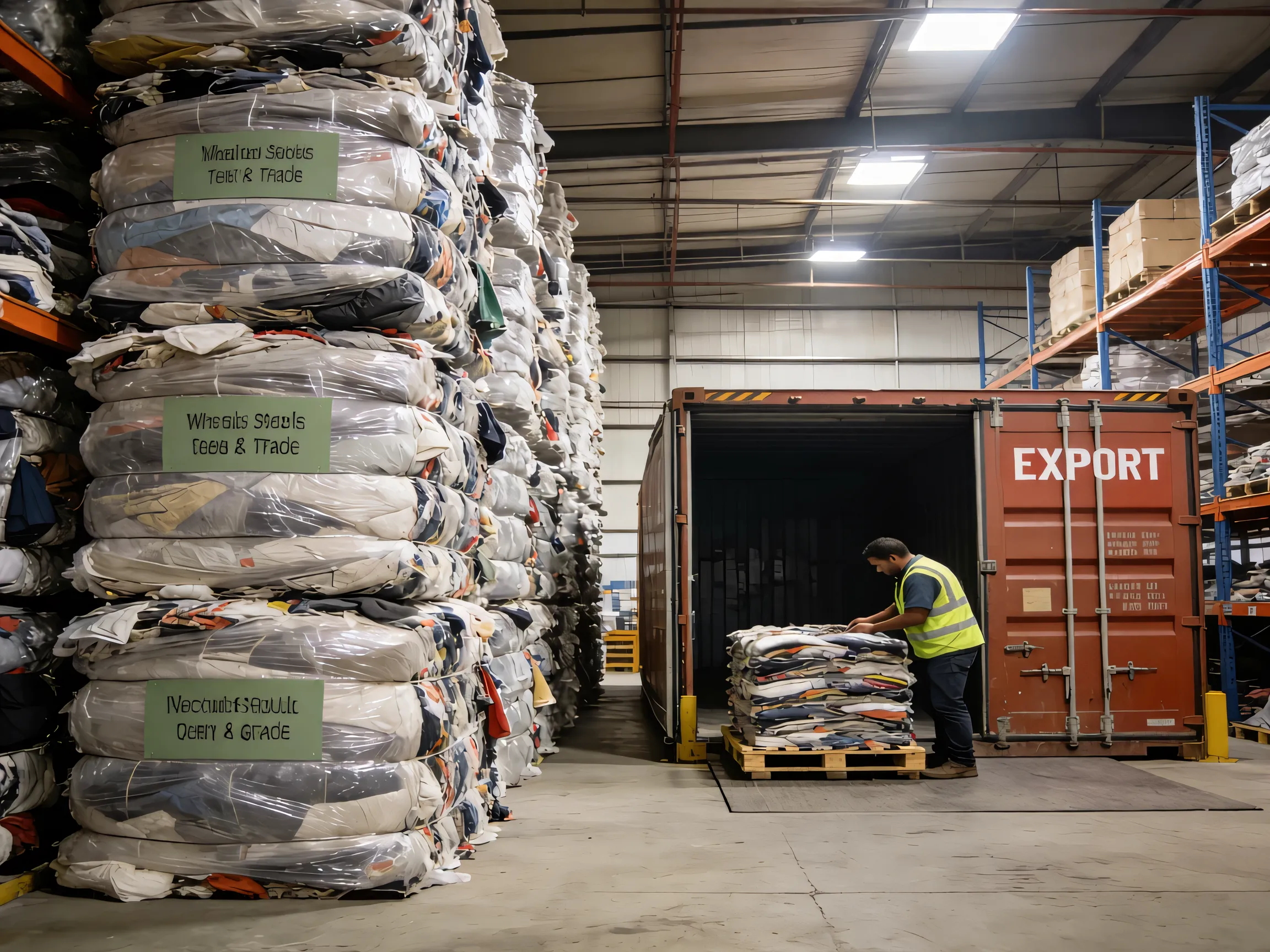
This architecture does not make the passport an all-purpose inspection certificate. A valid identifier does not automatically prove that a physical garment is authentic or that its current condition matches your Grade A definition. It also does not verify that one scanned item represents the entire mixed bale.
Legal boundaries are clear: receiving a DPP registration identifier is not proof of compliance with EU law. Release for free circulation is also not proof of compliance. You must treat the DPP as just one layer of evidence, not a replacement for customs, waste-status, or commercial checks.
Track the Passport Before You Trust the Claim
Create a compact record before tags are removed or stock is mixed. This record should preserve the carrier type, the persistent identifier, the claimed scope, the responsible operator, and the date of your check.
Verify the Carrier and Identifier
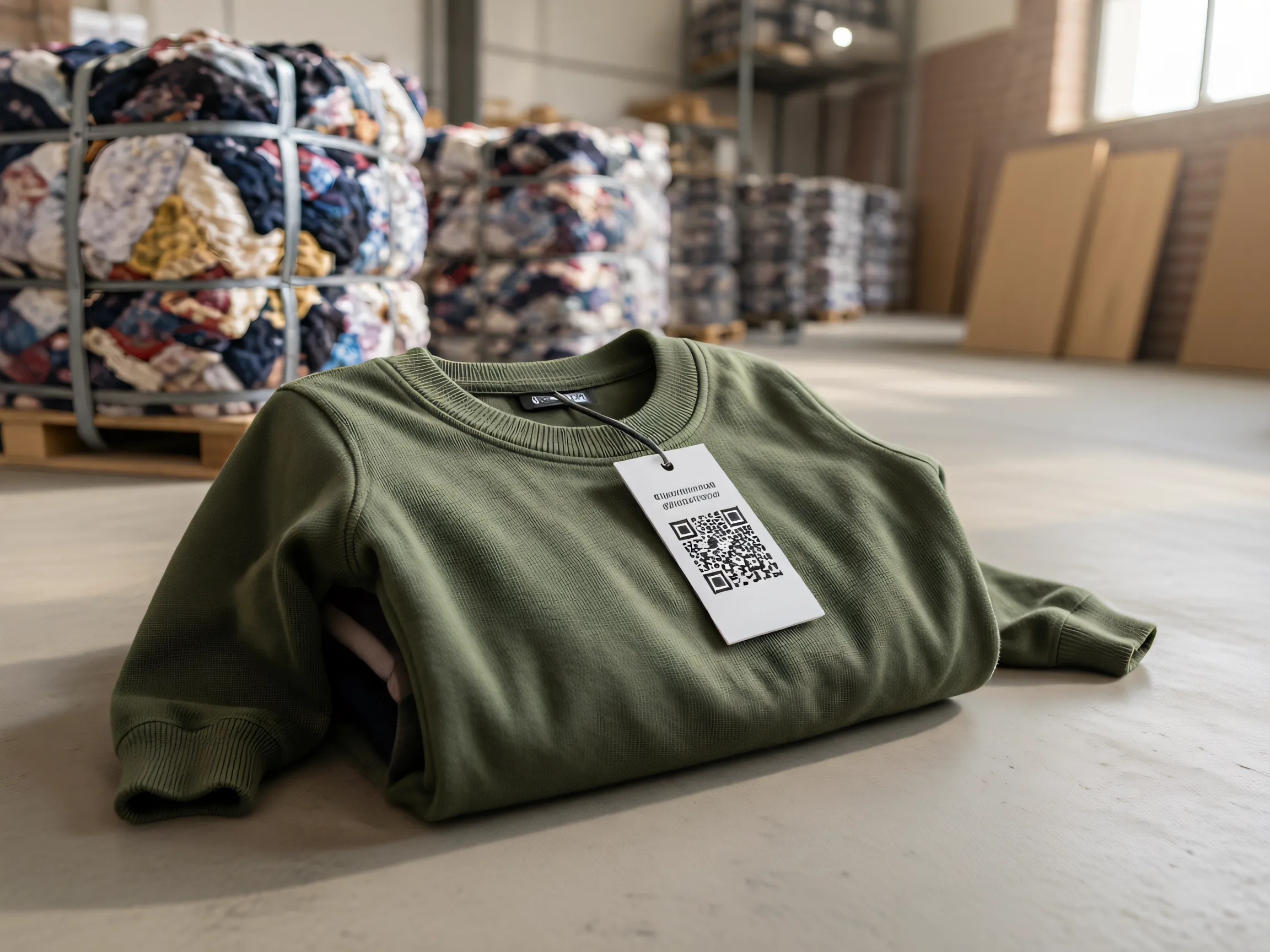
Note where the carrier appears and ensure it is readable. The identifier must match the physical product in front of you. Flag any detached, duplicated, or replaced carriers. If a replacement passport is used, it must link back to the original, so preserve both references.
Log Scope, Operator, and Access
Write down whether the seller claims the record is at the model, batch, or item level. Do not upgrade this statement. Also, identify who maintains the record. Access is role-based, so if you cannot verify a field, note that restriction rather than assuming it is a defect.
A Digital Product Passport record does not prove authenticity, current physical condition, or customs clearance. It only provides access to the specific data assigned to the product scope by the responsible operator.
Practical Takeaways
- Keep Records Separate. Maintain distinct files for product passport data, wholesale bale specifications, and shipment/regulatory documents. This makes it easier to route mismatches to the right party.
- Define Grades in Writing. Write your order-specific Grade A/B/C definitions into the commercial quotation. Do not insert these definitions into the passport field set; they belong in your commercial records.
- Preserve Continuity. If you check items at receiving, ensure affected goods remain identifiable. Log unreadable or mismatched carriers against the correct lot reference to maintain a clear audit trail.
Production and Quality Control
Learn how we handle sorting, inspection, and packing to ensure your bale specifications match your commercial expectations.