 Skip to content

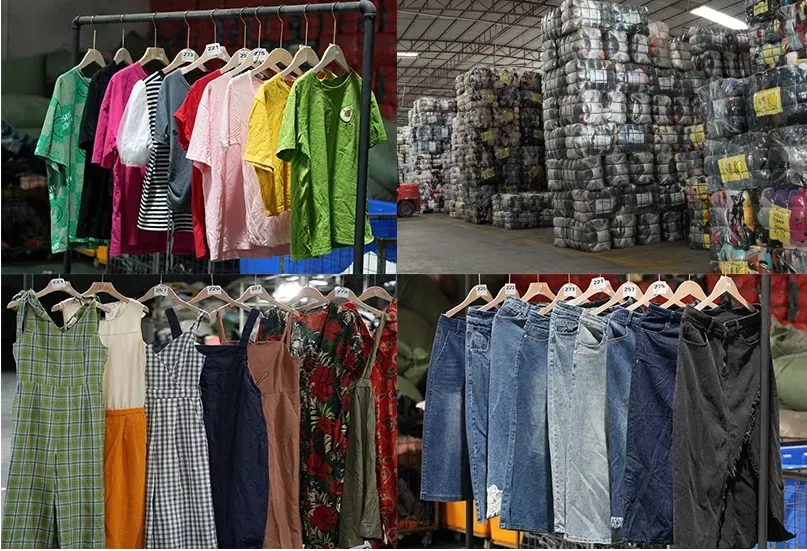


In sneaker resale, “deadstock” describes shoes represented as brand new and unworn, but in inventory terms it often just means unsold merchandise that has stopped turning.
The label is a starting claim, not a proof of condition, source, or packaging. Always define the exact meaning of “deadstock” for the specific lot in writing before comparing prices or committing to an order.
Why “Deadstock” Is a Claim, Not a Grade
The definition depends heavily on who is speaking. Retail platforms like StockX use “deadstock” to mean brand new, unworn, and including the original shoebox. Wholesale suppliers might use the same word for older unsold stock that may have been on a shelf for years.
These meanings can overlap, but one does not prove the other. An unsold pair is not automatically in perfect condition. Plastics, rubbers, and glues can change with age, light, and temperature even without human wear. If you see “deadstock” on a quote, ask the seller to complete this sentence: “For this quotation, deadstock means…”
You need to know if try-ons, customer returns, open boxes, seconds, or storage marks are included. If the seller cannot define it clearly, the term is too loose to be a safe acceptance standard.

Don’t confuse it with Overstock, Liquidation, or Returns
Do not treat deadstock, overstock, liquidation, open-box goods, and returns as synonyms. Each label covers different inventory sources, packaging states, and use histories.
One lot might fit multiple categories, but the overlap must be written down. Require the seller to state the primary lot type, permitted sources, and excluded categories. If a pair arrives that blurs these lines, you need clear rules to classify it without guessing what the seller intended after delivery.
How to Write a Lot Specification Before Pricing
A useful specification turns the headline label into observable acceptance points. Start with a lot reference and define a “complete pair” as a matched left and right shoe.
Then, state the represented wear history, permitted source categories, style and size scope, and packaging coverage. Include what storage marks are allowed, how singles or mismatches are handled, and which signed document controls if descriptions conflict.
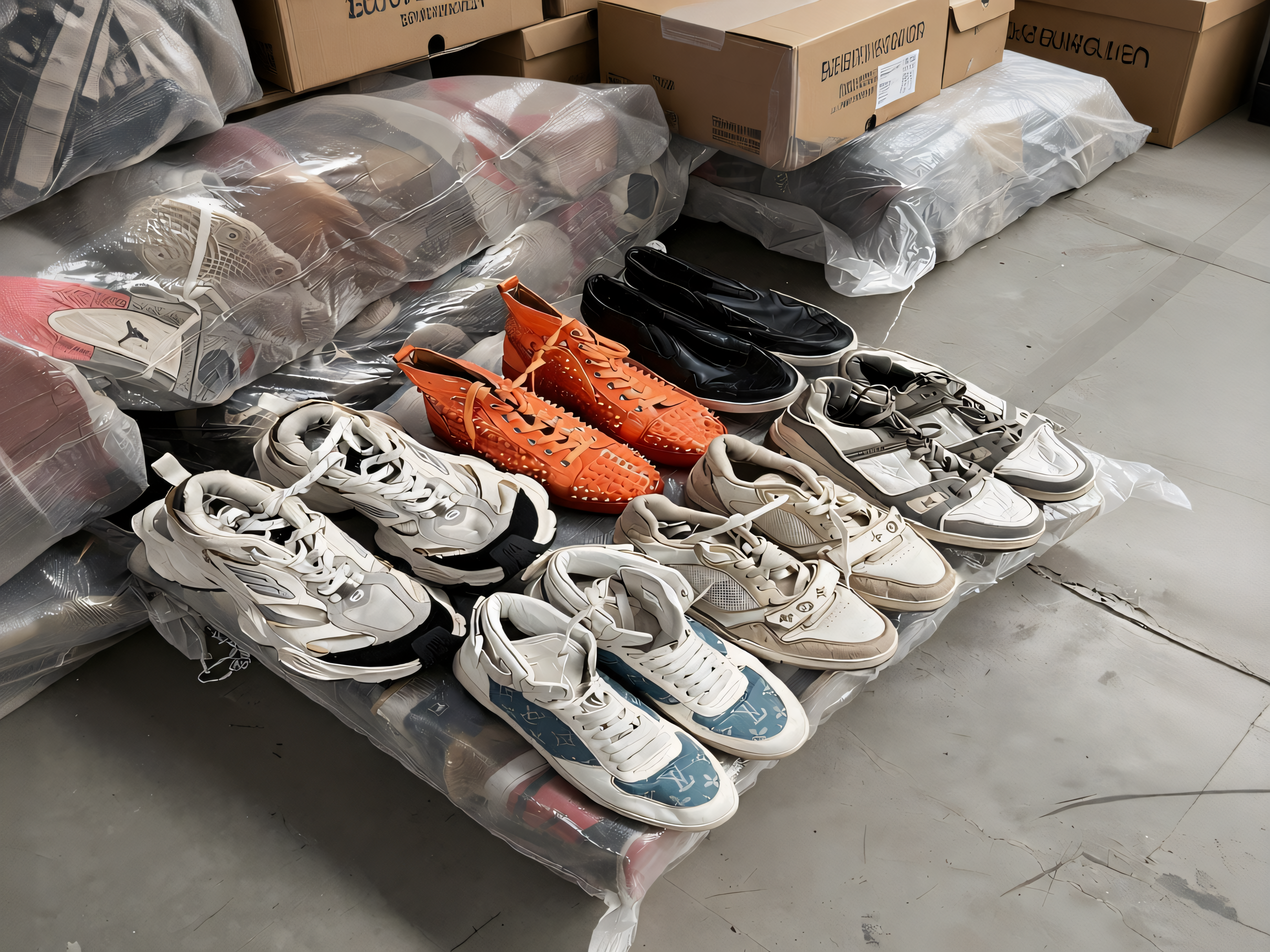
Use the same lot reference across the assortment matrix, media, quotation, invoice, and packing record. This gives you one comparison basis if the sales message and the invoice disagree. It also gives the claim process something concrete to verify against.
If you are comparing a used-footwear route instead, ask for the current footwear category, grade boundaries (Grade A/B/C), pair-handling method, and packing details in the quotation. These definitions make a used-footwear offer more testable, but they do not establish deadstock or unworn condition.
Inspection Strategy: The Cost of Being Wrong
There is no single inspection percentage that fits every deadstock sneaker lot. The scope of your review depends on the variation in the offer, storage uncertainty, order value, and how sensitive your sales channel is to condition issues.
A mixed older lot intended for original-box listings may need a deeper review than a narrow lot with disclosed box variation. Spread the review across different styles, size ranges, cartons, and packing positions rather than checking a few identical pairs from one open box.
Unworn status should not replace a present-condition review. Materials change over time. Ask for dated, lot-linked views of uppers, soles, interiors, labels, and packaging. Record how items were selected and ensure the inspected sample remains tied to the quoted lot.
Reconciling Pairs, Boxes, and Seller Records
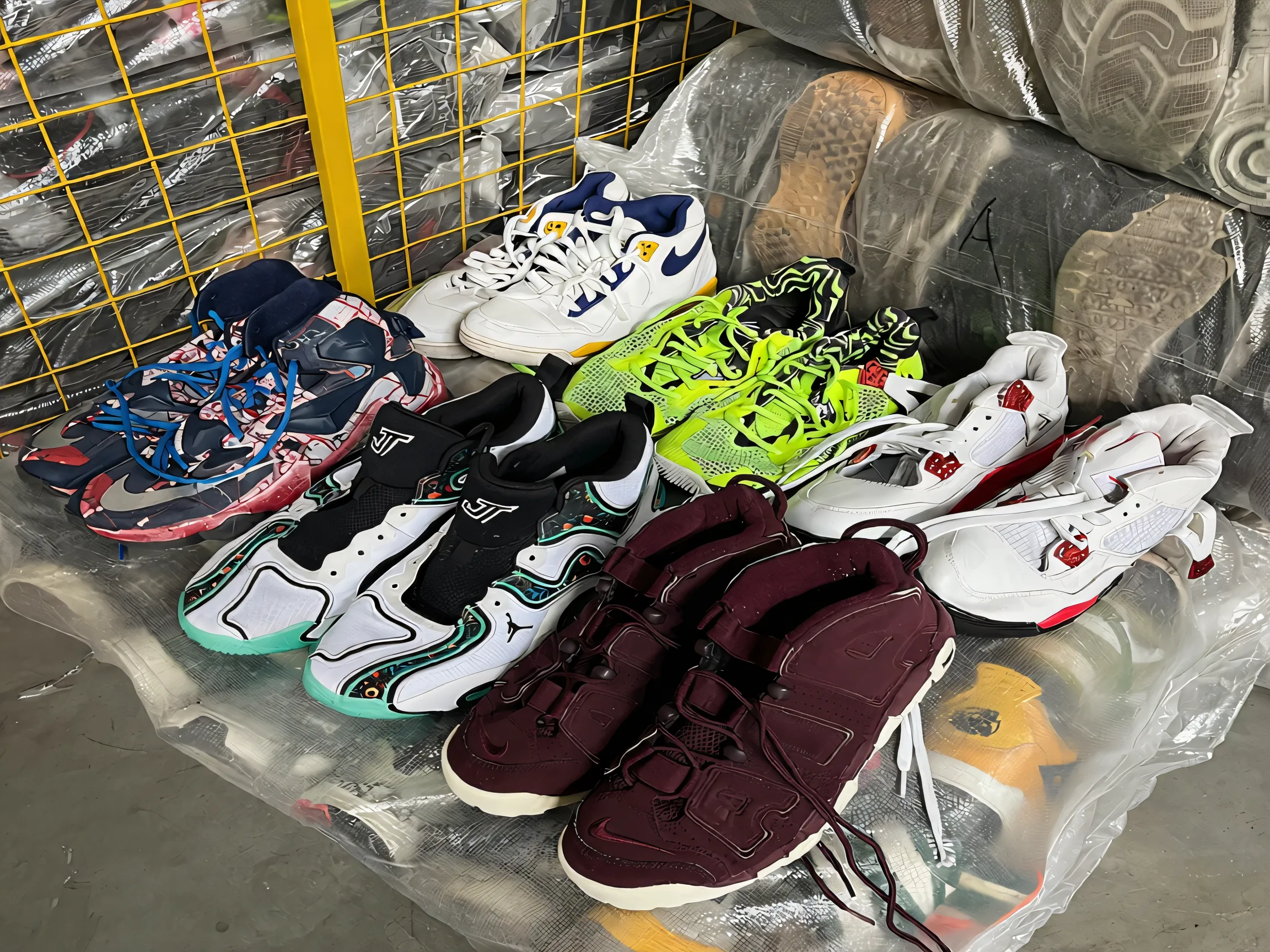
Once the condition standard is written, the physical goods and transaction records must tell the same story. Request a style/color/marked-size/complete-pair matrix, not just a headline unit count.
Each line should show the number of matched pairs, promised packaging, accessories, and known exceptions. Loose shoe counts can hide singles, mismatches, and size curves that do not fit your channel.
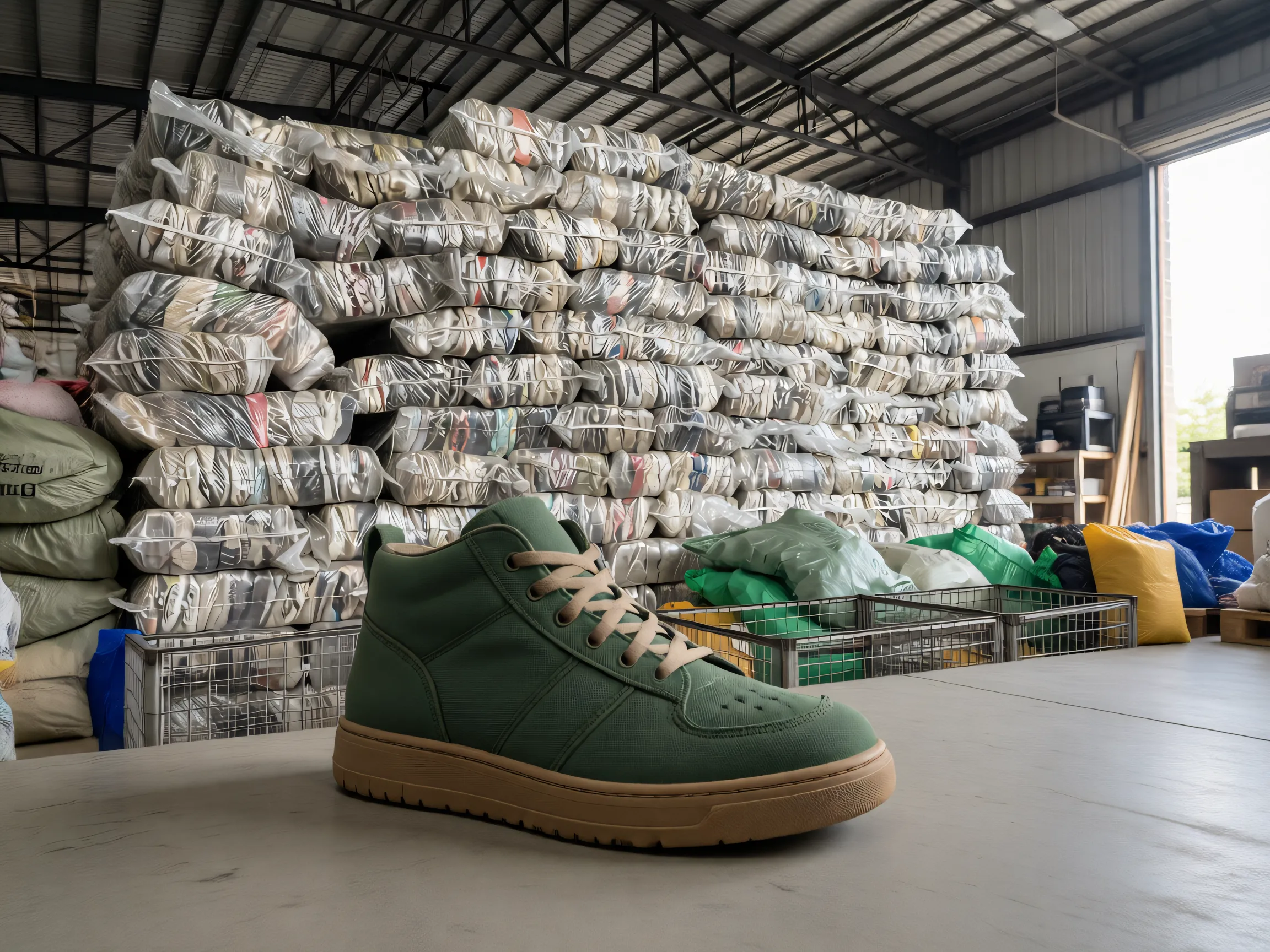
Packaging should be measured, not assumed. Record how many accepted pairs have the promised box, what damage is allowed, and whether replacement boxes are permitted. Check that shoe labels, box labels, and GTINs match across the matrix, quotation, and invoice. A matching code helps reconcile records, but it does not prove the physical pair’s authenticity or your right to resell in your destination.
Check the seller’s legal business name, invoice issuer, and payment beneficiary. If the seller claims to be authorized, ask for current written evidence identifying the scope, territory, and validity period. Parallel-import treatment depends on the exhaustion regime in your specific country, so get current legal advice for your destination if branded-goods import rights affect the deal.
Do not use “deadstock” as a synonym for overstock, liquidation, or returns. Each label covers different inventory sources and packaging states. If a lot fits multiple categories, the seller must write down the primary lot type and the permitted source categories.
Practical Takeaways
- Price by Accepted Sellable Pairs Calculate your cost using only the complete pairs that pass your written acceptance standard for your specific sales channel. Do not rely on the headline offered quantity.
- Separate Finite Lots from Replenishment A deadstock lot is often finite stock. Do not assume you can reorder the same mix. Put replenishment and substitution rules in writing if you plan a repeat sales program.
- Update Specs After Receiving Preserve lot references and photograph received condition. Use actual receiving data to update your specifications for the next order, rather than assuming claims will always be recovered.
Used Footwear Supply & Quality
RossBoss specializes in used footwear supply with clear Grade A/B/C definitions, category-specific bales, and 20ft/40ft packing options. Learn how our verification process supports your sourcing strategy.